 \n\n
\n\n
Eco-tourism in Brazilian national parks is experiencing significant growth this season, featuring newly organized trails that lead to monumental waterfalls. The stunning Cachoeira da Fumaça (Smoke Waterfall), located in Bahia’s breathtaking Chapada Diamantina, draws visitors from around the world to marvel at its magnificent 380-meter free fall. Reaching the top of this dramatic canyon rewards adventurers after a scenic six-kilometer hike starting from the charming Vale do Capão.
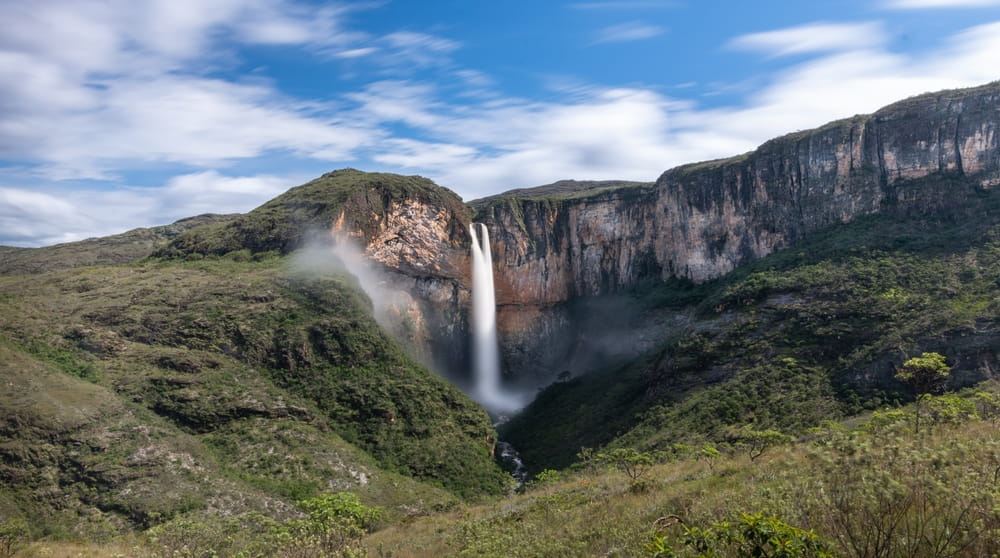
In the state of Minas Gerais, the Tabuleiro Municipal Natural Park carefully manages the flow of tourists visiting the country’s third-largest waterfall, an awe-inspiring 273-meter cascade. According to the Conceição do Mato Dentro city hall, the trek to the main pool requires good physical fitness and proper footwear with strong grip. Local authorities highly recommend hiring accredited guides to ensure a safe and unforgettable journey along the towering rocky cliffs.
Geological Wonders and Biome Diversity
Nature tourism is also drawing attention to unique geological formations in Brazil’s southern region. The Salto do Yucumã (Yucumã Falls), located in the Turvo State Park in Rio Grande do Sul, boasts a remarkable 1,800-meter longitudinal drop along the Uruguay Riverbed. The best time to view these majestic falls aligns with the region’s dry season, offering optimal water levels and beautifully exposed rock formations between March and October.
Tour operator catalogs highlight several other pristine river destinations featuring active conservation infrastructure across various Brazilian states. Among the top eco-tourism locations with carefully managed access and capacity limits to preserve their natural beauty are:
- Cachoeira do Buracão: Situated in the municipality of Ibicoara, Bahia, this adventure requires an exhilarating, mandatory life-jacket float through a striking canyon to reach the mesmerizing 100-meter waterfall.
- Iguaçu Falls: Located in Foz do Iguaçu, Paraná, this world-renowned natural wonder features a spectacular complex of 275 waterfalls stretching across nearly three kilometers along the border with Argentina.
- Cachoeira do Caracol: Positioned in the state park of the same name in Canela, Rio Grande do Sul, this destination offers a thrilling 927-step staircase leading down to the base of its magnificent 131-meter drop.
To ensure these natural treasures remain pristine, environmental protection agencies strictly enforce a ‘leave no trace’ policy for solid waste and restrict human interaction with Brazil’s rich endemic wildlife. The use of 4×4 vehicles in the vibrant Cerrado savannas, such as the route leading to the crystal-clear Cachoeira do Formiga in Tocantins, strictly follows paths pre-demarcated by local municipalities. These regulations, established by environmental secretariats, are essential to preventing soil erosion and preserving the vital riparian forests surrounding these precious water sources.