 \n\n
\n\n
In the first half of this year, the mapping of Brazilian culinary routes highlights destinations that seamlessly blend local agricultural production with historical tourism. This comprehensive overview ranges from the more than 15,000 dining establishments operating in the vibrant capital of São Paulo to the artisan cheese factories in the breathtaking Serra da Canastra. These insights are featured in itineraries structured by hospitality platforms, such as the Clube Candeias network, alongside specialized travel industry publications.
Cheese, Wine, and Chocolate
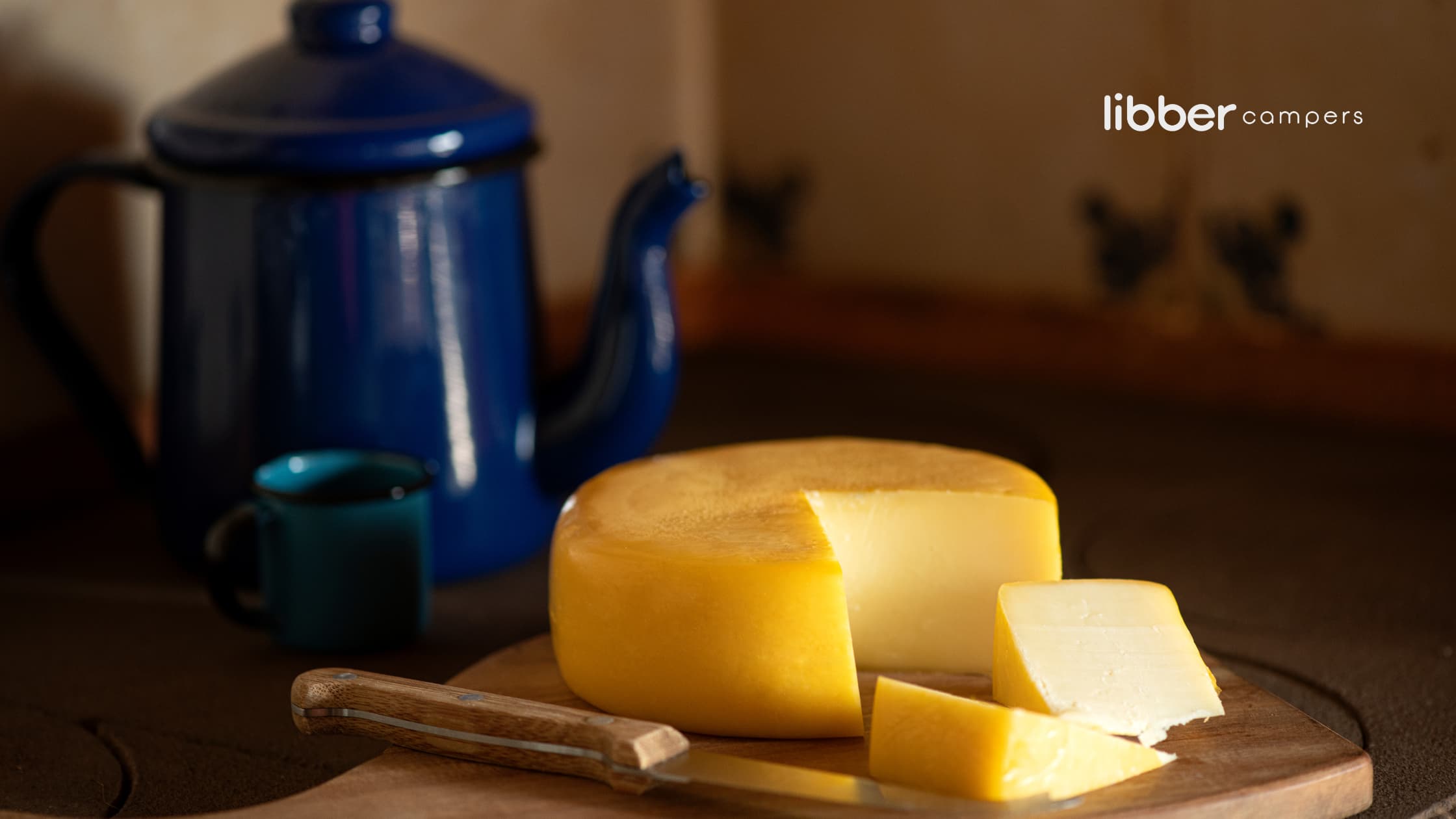
In the state of Minas Gerais, the dairy circuit winds through charming small towns like Alagoa, home to fewer than 3,000 residents. Here, cheese-making takes place at an impressive altitude of 1,500 meters—a climatic factor that uniquely alters the maturation time of their world-class raw milk cheeses. In this same picturesque region, the city of Cruzília hosts the National Museum of the Mangalarga Marchador Horse, perfectly combining the area’s rich agricultural history with captivating visitor experiences.
Southern Brazil draws eager visitors to its lush grape harvests and fine cocoa processing centers. In the state of Rio Grande do Sul, ecotourism and gastronomic activities are primarily divided into two celebrated hubs:
- Vale dos Vinhedos (Valley of the Vineyards): Renowned wine estates such as Chandon and Casa Perini welcome tourists to experience the grape harvest and traditional grape-stomping events between January and March.
- Gramado and Canela: Famous regional brands like Florybal, Caracol, and Prawer open their doors to the public, offering delightful demonstrations of their artisanal chocolate production lines.
Regional Ingredients and Expanding Horizons
In the São Paulo countryside, the municipality of Serra Negra focuses its rural tourism on traditional coffee farms, offering detailed tours that cover everything from planting to the roasting of the beans. Meanwhile, the state capital boasts the largest concentration of culinary hubs in the country. This incredible volume and quality of food and beverage operations inspired the Michelin Guide to introduce the Exceptional Cocktails Award, dedicated exclusively to evaluating the booming mixology scene in Brazilian bars and restaurants.
Beyond the South-Southeast macro-region, the iconic Ver-o-Peso market complex in Belém serves as the ultimate distribution center for authentic Amazonian products, supplying native delicacies like tucupi, jambu, and pure açaí to local vendors. Up the stunning Northeast coast in Bahia, the bustling São Joaquim market in Salvador provides fresh seafood and rich dendê (palm) oil, essential ingredients for the state’s vibrant Afro-Brazilian cuisine. The dynamic flow of visitors and consumers through these historic supply hubs ensures the preservation of culinary traditions firmly rooted in sustainable ingredients harvested directly from their native Brazilian biomes.