 \n\n
\n\n
This week, Brazil’s Ministry of Tourism unveiled a list of 11 breathtaking Brazilian cities renowned for their beautifully preserved architectural heritage. This initiative guides the Brazilian Tourism Map policies and helps structure travel itineraries centered around the creative economy and cultural tourism. The government’s goal is to leverage these iconic destinations to channel investments and generate local employment, making it easier than ever for international travelers to explore Brazil’s rich history.
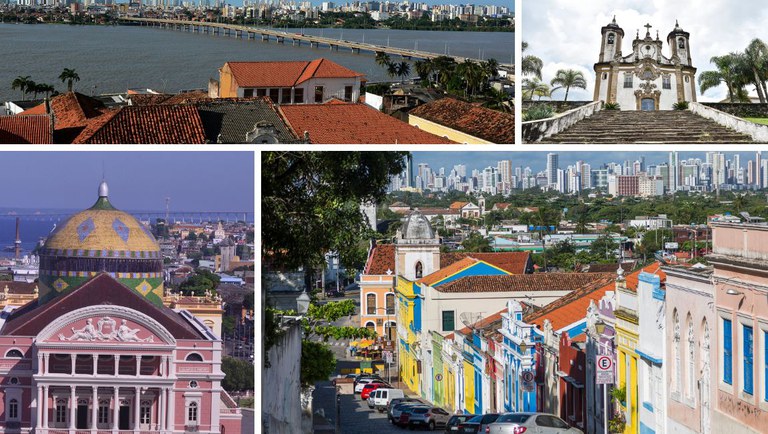
The selection features enchanting urban centers that already boast internationally recognized heritage status. A prime example is Ouro Preto, nestled in the mountains of Minas Gerais, which has held the prestigious title of a UNESCO World Heritage site since 1980. This captivating city is home to stunning baroque churches built during the Brazilian Gold Rush and hosts the largest collection of masterpieces by the legendary sculptor Aleijadinho.
Flight Network Expansion and Architectural Heritage
In the vibrant Northeast region, the new routes highlight Olinda, in Pernambuco, and Salvador, the capital of Bahia, as major cultural hubs. Salvador served as Brazil’s first capital and proudly maintains its colorful, historic architecture in the famous Pelourinho district. Meanwhile, along the sun-kissed coast of Pernambuco, the remarkably preserved 16th- and 17th-century architecture earned Olinda its official UNESCO recognition in 1982.
The federal government’s mapping also recommends new direct routes to the Amazonian North, a prime gateway for ecotourism. In Belém, Pará, the bustling Ver-o-Peso Market boasts 398 years of continuous commercial activity, operating as Latin America’s largest open-air market. Deep in the heart of the rainforest in Amazonas, the city of Manaus draws visitors to the magnificent Amazon Theatre, an opulent cultural complex inaugurated in 1896 during the rubber boom.
These 11 magical destinations are central to the expansion guidelines of the government’s Meet Brazil: Flying program. This Ministry of Tourism initiative secures operational agreements with commercial airlines to increase the frequency of flights across states, enhancing connectivity for both international and domestic travelers. The inclusion of charming smaller towns—such as Alcântara in Maranhão and Paraty in Rio de Janeiro—aims to decentralize tourism, inviting visitors to uncover the hidden gems of Brazil beyond the traditional tourist trails.