 \n\n
\n\n
Gastronomic tourism in Brazil is being structured around specialized itineraries that explore the production of regional foods and beverages. Circuits dedicated to cheese, wine, chocolate, and coffee are gaining prominence in states like Minas Gerais, Rio Grande do Sul, and São Paulo, attracting visitors keen to discover the origin of these products.
These routes offer travelers the chance to visit farms, wineries, and factories, as well as participate in tastings and witness the production processes firsthand. The initiative aims to showcase local cuisine as a cultural and economic asset.
The Cheese Routes of Minas Gerais
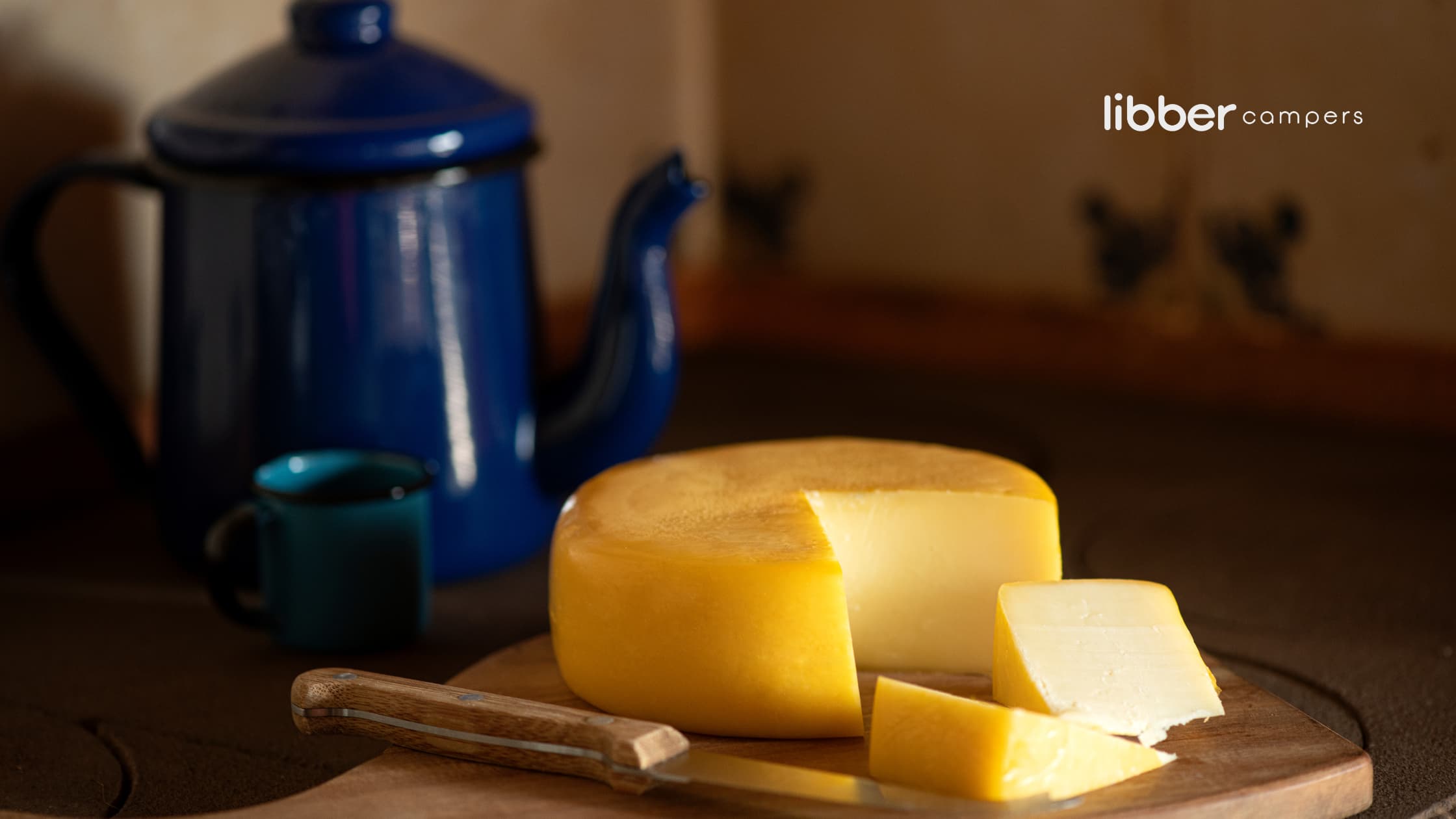
The state of Minas Gerais is home to routes focused on its cheesemaking tradition. The Serra da Canastra region is the heartland of the cheese of the same name, a recognized Brazilian cultural heritage. The itinerary includes producing municipalities, each with its own unique character.
In Alagoa, a town with fewer than 3,000 inhabitants and an altitude of over 1,500 meters, artisanal raw milk cheese is produced. Meanwhile, in Cruzília, the highlight is the Queijo Casamenteiro, a cheese that combines local gorgonzola with Canastra cheese. The city of Tiradentes also stands out for its regional cuisine, featuring dishes like feijão tropeiro (a bean and sausage dish) and costelinha (pork ribs).
Wine and Chocolate in the Serra Gaúcha
In Rio Grande do Sul, the Serra Gaúcha region hosts the country’s main wine and chocolate routes. The Vale dos Vinhedos (Valley of the Vineyards) is home to renowned wineries like Chandon and Casa Perini. The Vindima, or harvest season, runs from January to March, allowing visitors to witness the grape harvest.
The city of Garibaldi is known as the “Brazilian Capital of Sparkling Wine” and offers guided tastings. Nearby, the towns of Gramado and Canela form the Chocolate Route, featuring factories like Prawer, Caracol, and Florybal, which offer tours of their production process.
Coffee and Diversity in São Paulo
In São Paulo, the Coffee Route unfolds in the Serra Negra region, part of the Circuito das Águas Paulista (Paulista Water Circuit). The journey includes visits to specialty coffee farms, where you can learn about the entire process, from harvesting to roasting the beans. Rural tourism in the area is complemented by charming inns and local product emporiums.
The state capital has also established itself as a gastronomic hub with over 15,000 restaurants. The city boasts a wide variety of cuisines, ranging from traditional dishes from different Brazilian regions to international culinary options.
Other Regional Gastronomic Hubs
Beyond these thematic circuits, other Brazilian capitals stand out for their unique culinary identity. In Belém, Pará, Amazonian cuisine can be found at the Ver-o-Peso market, with iconic dishes like tacacá, maniçoba, and açaí served savory-style with fish.
Salvador, Bahia, presents a cuisine with strong African influences, with acarajé and moqueca as central dishes. In Santa Catarina, the city of Joinville preserves its Germanic heritage in its gastronomy, with plates like eisbein (pork knuckle) and a well-established craft beer scene.