 \n\n
\n\n
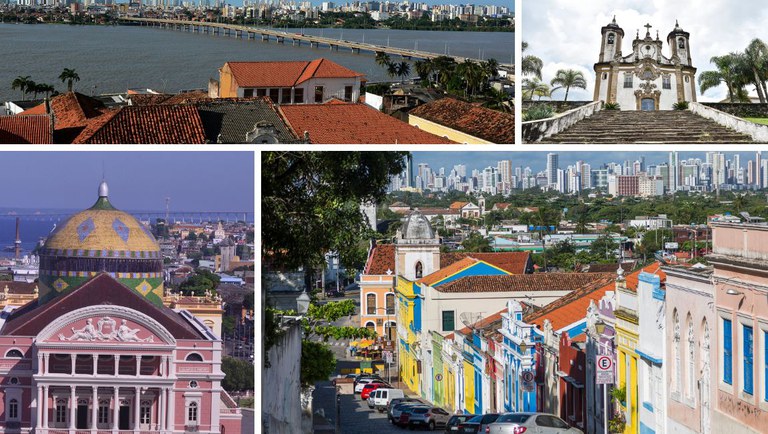
Brazil’s Ministry of Tourism has just unveiled a comprehensive map highlighting 11 breathtaking historic cities across the country. This strategic guide aims to craft rich cultural itineraries and bolster public policies, making these destinations even more welcoming for international travelers. The curated list features enchanting municipalities that beautifully preserve their colonial architecture and keep centuries-old cultural traditions vibrantly alive.
The new itinerary showcases iconic destinations that have proudly held the title of UNESCO World Heritage Sites for decades. The majestic city of Ouro Preto, nestled in the mountains of Minas Gerais, earned this prestigious recognition in 1980 for its stunning masterpieces from the Brazilian Gold Rush era. Just two years later, the historic center of Olinda, in the sunny northeastern state of Pernambuco, was awarded the same status for its remarkably preserved architectural ensemble and vibrant artistic soul.
Vibrant Attractions and Authentic Local Experiences
Authentic local commerce and spectacular public landmarks naturally guide the flow of visitors through these historic hubs. In Belém, Pará—a vibrant gateway to the Amazon—the iconic Ver-o-Peso Market has been bustling for 398 years, standing proudly as Latin America’s largest open-air market and a paradise for discovering regional flavors and exotic natural ingredients. Deep in the state of Amazonas, sightseeing revolves around the magnificent Amazon Theatre, a Renaissance-style opera house inaugurated in 1896 right in the heart of the rainforest in Manaus.
- Salvador centers its vibrant historic route around the pastel-colored colonial mansions and Afro-Brazilian rhythms of the iconic Pelourinho district.
- Paraty hosts the world-renowned International Literary Festival along its charming, pedestrian-only cobblestone streets by the sea.
- The town of Goiás beautifully preserves its colonial legacy, offering a historic gateway into the eco-rich and biodiverse Cerrado savanna.
The federal government is utilizing the Brazilian Tourism Map to direct smart, sustainable structural investments to these destinations. This vital initiative seeks to expand domestic flight networks—making travel easier for international explorers—while boosting local economies. Importantly, the national agency is closely monitoring the impact of tourism to ensure the sustainable preservation of these invaluable historic mansions and centuries-old churches for generations to come.