 \n\n
\n\n
In the first quarter of 2025, Brazilian culinary tourism is cementing its regional routes, highlighting local food and beverage production. These carefully crafted itineraries range from charming wineries in the southern state of Rio Grande do Sul to historic coffee estates in the countryside of São Paulo.
The Artisanal Cheese Circuit in Minas Gerais
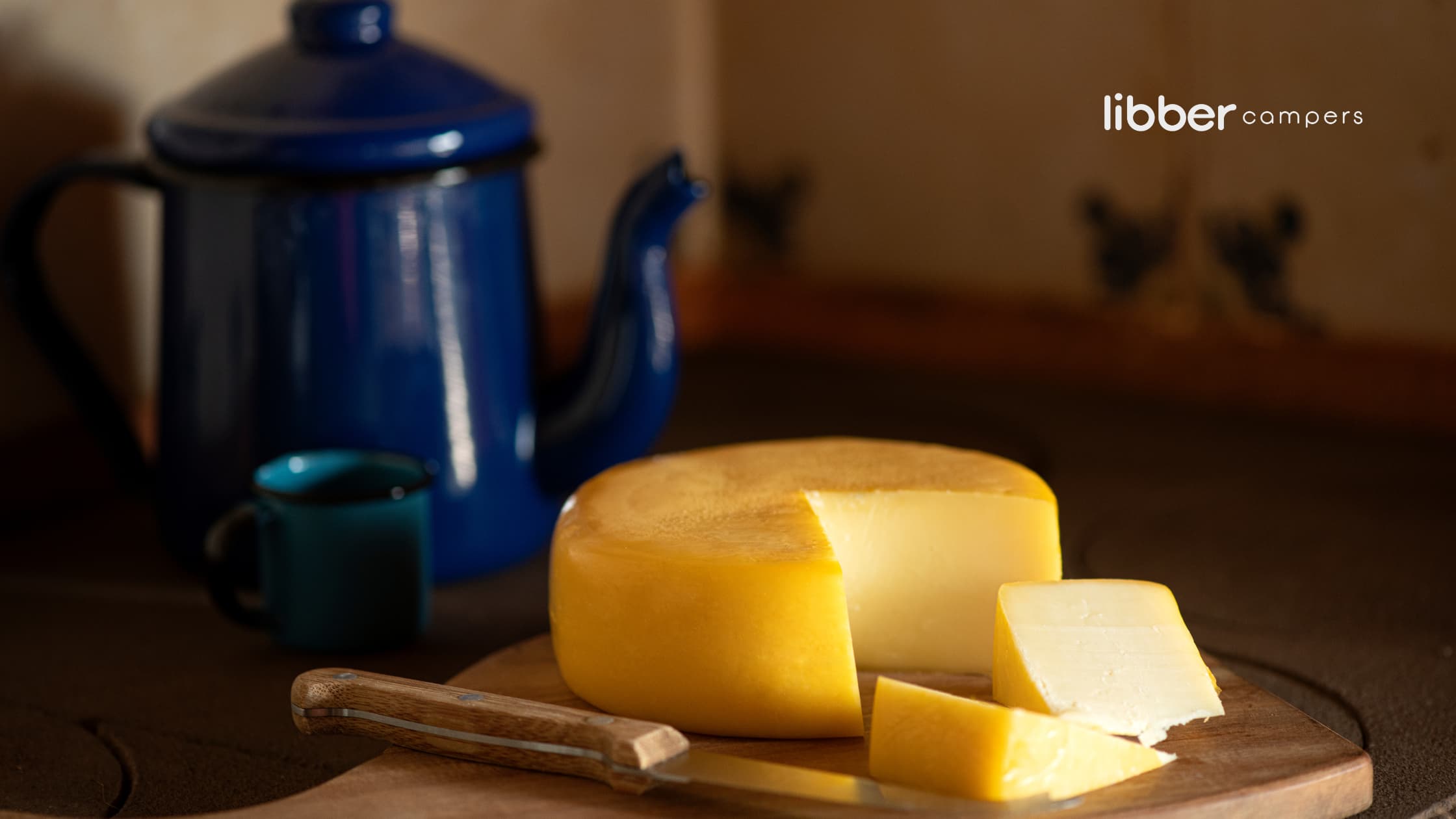
The Serra da Canastra tourist route features the picturesque town of Alagoa. With fewer than 3,000 residents, this small municipality boasts dairy farms situated at an impressive altitude of over 1,500 meters (nearly 5,000 feet). Alagoa offers guided eco-expeditions to the stunning Zé Pena Waterfall and welcomes visitors for exclusive raw-milk cheese tasting experiences.
The scenic overland journey also winds through Cruzília, the birthplace of the famous Casamenteiro cheese and home to the National Museum of the Mangalarga Marchador horse. Thanks to its traditional dairy-making methods, this renowned producing region has been officially recognized as a Brazilian Cultural Heritage, serving as a shining example of the nation’s soft power in gastronomy.
Wines, Bubbly, and Chocolate Making in the South
Down south in Rio Grande do Sul, the Wine Route connects the capital city of Porto Alegre to the breathtaking Vale dos Vinhedos (Valley of the Vineyards). Between January and March, beautiful estates like the Casa Perini winery host the Vindima (grape harvest). This immersive ecotourism event allows visitors to hand-pick grapes and partake in the joyful, traditional grape-stomping experience.
In the nearby municipality of Garibaldi, tourists can enjoy guided tasting sessions at local sparkling wine cellars. Meanwhile, in the charming mountain towns of Gramado and Canela, renowned chocolatiers like Caracol and Prawer offer behind-the-scenes tours, allowing visitors to witness the fascinating steps of premium chocolate crafting.
Regional Flavors and Rural Ecotourism
In Brazil’s North, restaurants in Belém and Manaus build their spectacular menus around authentic Amazonian ingredients. The culinary scene dedicated to visitors prioritizes dishes prepared using ancient, local foraging and cooking techniques:
- Tacacá: A vibrant, hot soup made with yellow tucupi broth and mouth-numbing jambu leaves.
- Maniçoba: A hearty dish prepared with cassava leaves that are slow-cooked for several days to safely remove their natural toxins.
- Pirarucu de casaca: A savory preparation of the giant Amazonian pirarucu fish, served with toasted cassava flour and sweet plantains.
Along the sun-kissed Northeast coast, Salvador’s vibrant culinary scene offers dishes fried in rich palm oil (azeite de dendê), such as the iconic acarajé (black-eyed pea fritters) and flavorful bobó (shrimp stew). In neighboring Pernambuco, food tourism in the historic center of Recife delights visitors with regional specialties, most notably the bolo de rolo (a delicate guava-filled rolled cake) and the traditional arrumadinho de carne de sol (sun-dried meat paired with beans and vinaigrette).
Rounding out the journey in the state of São Paulo, the tourist circuit of Serra Negra drives rural ecotourism through its historic Coffee Route. Picturesque coffee farms operate guided tours that walk visitors through every phase of cultivation—from the careful harvesting in the coffee fields to the aromatic roasting process of the beans.