 \n\n
\n\n
This semester, a comprehensive survey of Brazil’s ecotourism routes has detailed the visitor infrastructure at key natural hotspots, with a special focus on massive waterfalls. The mapping covers everything from world-renowned national parks with accessible walkways, such as Foz do Iguaçu, to pristine reserves located within traditional Quilombola territories in Goiás. The research thoughtfully documents access trails, safety measures, and the physical dimensions of 15 breathtaking geographic wonders.
In Bahia, the Chapada Diamantina National Park boasts some of the highest elevations on the itinerary. The awe-inspiring Cachoeira da Fumaça (Smoke Waterfall) features a stunning 380-meter free fall, accessible via a rewarding six-kilometer trail from Vale do Capão. In Ibicoara, within the same state, the Cachoeira do Buracão reaches 100 meters and offers a thrilling experience: visitors wear life jackets for a floating crossing through a spectacular canyon.
Pedestrian infrastructure varies significantly across the beautifully preserved conservation units of the South and Southeast regions. At the Caracol State Park, in the charming southern town of Canela, Rio Grande do Sul, visitors can descend a 927-step staircase to reach the base of a magnificent 131-meter cascade. Meanwhile, in Conceição do Mato Dentro, Minas Gerais, the Municipal Natural Park is home to the Cachoeira do Tabuleiro, towering at an impressive 273 meters.
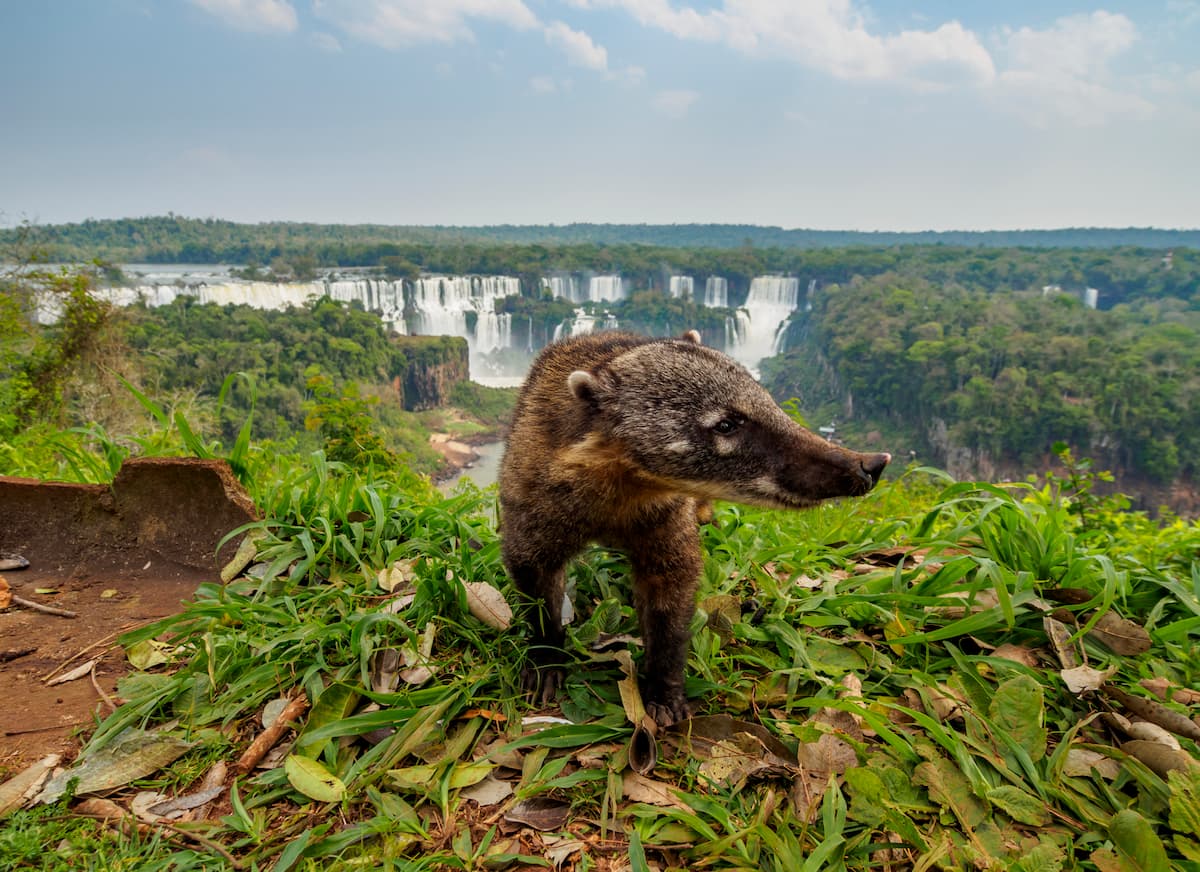
Horizontal expanses also stand out in the registry of these spectacular natural destinations. On the border with Argentina, the southern municipality of Derrubadas is home to Salto do Yucumã, an incredible 1,800-meter-long geological fault along the Uruguay River. In Paraná, the world-famous Iguaçu Falls feature a staggering 275 individual waterfalls spread across nearly three kilometers of lush riverbanks.
The itinerary highlights the seamless integration of these routes with traditional communities and stunning coastal landscapes. In Cavalcante, Goiás, access to the crystal-clear waters of Cachoeira de Santa Bárbara is managed by the Kalunga Quilombola community through an entry fee, promoting sustainable, community-based tourism. On the coast of Rio de Janeiro, the trail to Cachoeira do Saco Bravo in historical Paraty culminates in a unique freshwater pool that spills directly into the ocean, offering a truly unforgettable Brazilian ecotourism experience.