 \n\n
\n\n
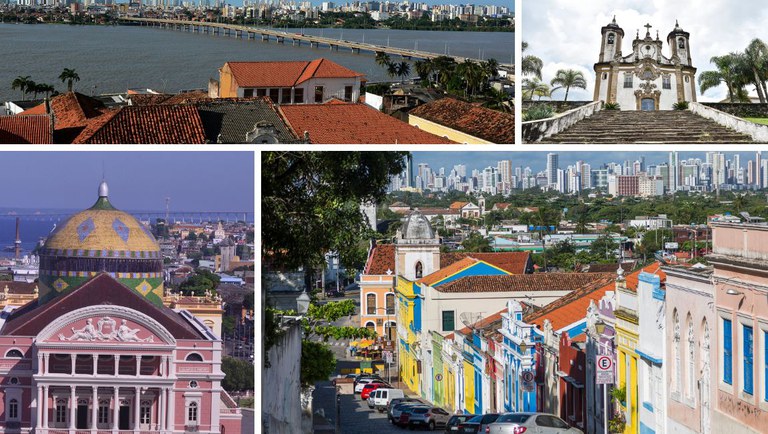
This week, the Brazilian Ministry of Tourism unveiled a list of 11 municipalities renowned for their remarkably preserved colonial architecture. This selection is part of the Brazilian Tourism Map, a strategic tool that guides public policy and resource allocation within the sector. The initiative highlights travel routes that serve as the foundation for the creative economy while preserving the vibrant cultural identity of the country.
The selection spans various regions, featuring iconic destinations like Ouro Preto in Minas Gerais and Olinda in Pernambuco. Both boast historic centers recognized as UNESCO World Heritage sites in the 1980s, sheltering buildings erected between the 16th and 18th centuries. In the charming city of Ouro Preto, the architectural crown jewels are the breathtaking baroque churches crafted by the legendary sculptor Aleijadinho.
In the Northeast, Salvador stands proud as the country’s first capital, renowned for the colorful stone buildings in its famous Pelourinho district. The Bahian capital shares the spotlight with São Luís in Maranhão, a city famous for its extensive collection of traditional Portuguese tiles. The historic town of Alcântara, located just a few kilometers from the Maranhão capital, also made the list due to its evocative ruins of grand mansions built during the Brazilian imperial period.
The Northern region is beautifully represented by Manaus, in the heart of the Amazon, where the magnificent Amazonas Theatre has been operating since 1896 as the crowning architectural achievement of the Rubber Boom. In the Southeast, the coastal city of Paraty seamlessly blends flawlessly preserved architecture with world-class events, such as its famous International Literary Festival. The federal government is linking the promotion of these cultural itineraries to the ‘Meet Brazil Flying’ program, which focuses on expanding domestic flight routes to make these treasures more accessible to international and local travelers alike.
Internationally Protected Cultural Treasures
The government’s mapping unites municipalities that manage areas bearing global protection seals. The status of a World Cultural Heritage site establishes rigorous guidelines for building management and traffic on ancient cobblestone streets. Local administrations are required to submit any facade renovation projects to the National Institute of Historic and Artistic Heritage, ensuring these historic gems remain pristine.
- The Historic Center of São Luís, Maranhão.
- The central area of Olinda, Pernambuco, globally protected since 1982.
- The architectural ensemble of Ouro Preto, Minas Gerais, recognized in 1980.
- The urban center of Goiás, the former state capital.