 \n\n
\n\n
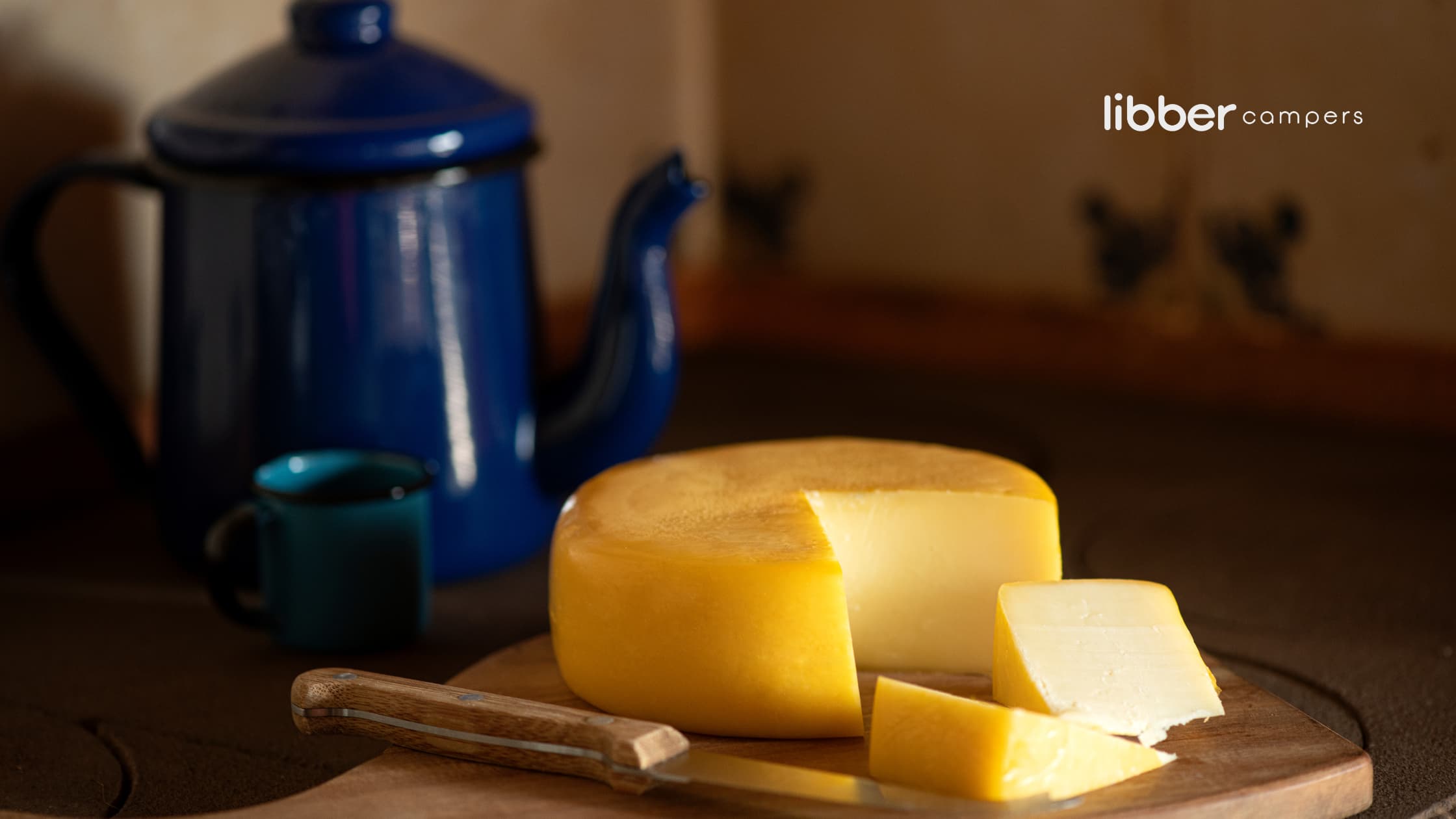
This semester, Brazilian cities are solidifying gastronomic tourism routes across different regions of the country. The municipality of Alagoa, in Minas Gerais, is mapping the production of artisanal cheeses at an altitude of 1,500 meters in an area with fewer than 3,000 inhabitants. The locality is part of the state circuit of Serra da Canastra, alongside Cruzília, which houses the National Museum of the Mangalarga Marchador horse.
Drinks and Sweets Routes in the South
In Rio Grande do Sul, the wine route establishes a road trip between Porto Alegre and the Vale dos Vinhedos. The journey includes the city of Garibaldi and concentrates operations of wineries such as Chandon and Casa Perini. Between January and March, the farms organize the Vindima, a period when producers open their properties for the manual harvesting of grapes.
The infrastructure of the Serra Gaúcha also directs visitor flow to chocolate factories located in Gramado and Canela. Local units develop visitor spaces focused on cocoa processing, with the following structures open to the public:
- The Florybal unit maintains internal physical attractions and a chocolate-made skating rink.
- The Caracol factory offers a guided tour with a direct view of the product assembly lines.
- The Prawer brand focuses its service on technical tasting sessions at its facilities in Gramado.
Regional Ingredients and Evaluation
In the North region, gastronomic tourism is concentrated in the central and historic markets of the state capitals. In Belém, restaurants serve dishes with long preparation times, such as maniçoba, which requires days of cooking the leaves of the wild cassava plant. Manaus records high demand for the x-caboquinho, a sandwich made with French bread, coalho cheese, and the tucumã fruit.
The formal mapping of the sector accompanies the technical expansion of national hospitality establishments. The Michelin Guide has introduced the Exceptional Cocktails Award category in its evaluation of the Brazilian market. The award documents the level of beverage professionals and attests to the operational integration between kitchens and bars.