 \n\n
\n\n
A survey by Brazil’s Ministry of Tourism has identified 11 cities as key destinations for historical and cultural tourism. These municipalities stand out for their preserved architectural heritage and their significant contributions to the local economy.
The locations are part of the Brazilian Tourism Map, a tool that guides the implementation of public policies for the sector. The selection includes cities from diverse regions, spanning from the coast to the country’s interior.
Highlights of National Heritage
In Minas Gerais, Ouro Preto and Diamantina are renowned for their legacy from the Gold Rush era and their stunning baroque architecture. Ouro Preto, a designated UNESCO World Heritage site, is home to churches featuring works by the sculptor Aleijadinho and the Inconfidência Museum.
The Northeast is represented by cities like Salvador in Bahia and Olinda in Pernambuco, both with historic centers also recognized by UNESCO. The Pelourinho district in Salvador and the streets of Olinda, the stage for its famous popular carnival, are prime examples of 16th and 17th-century architecture.
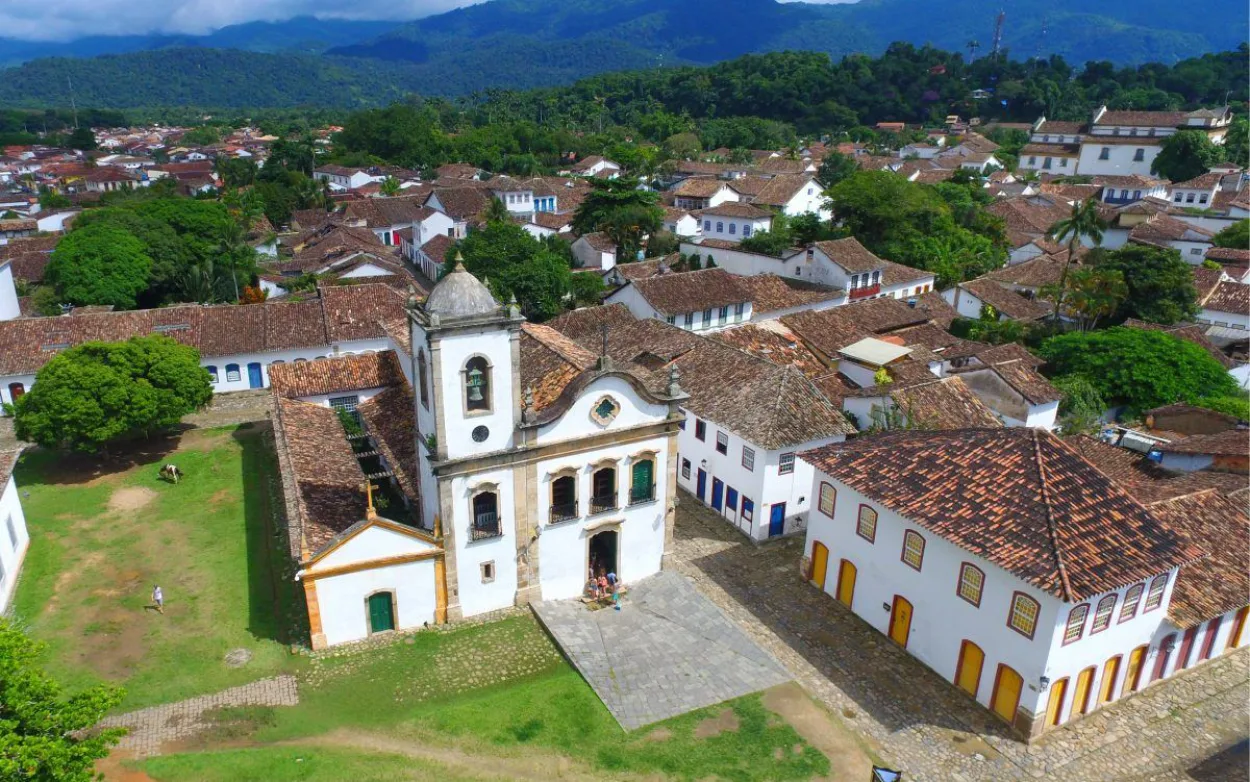
On the coast of Rio de Janeiro, Paraty boasts a well-preserved colonial architectural ensemble and hosts major events like the International Literary Festival (Flip). The city also preserves traditional ‘caiçara’ (coastal community) traditions, such as the Feast of the Divine Holy Spirit.
The ministry’s list also includes other municipalities of historical and cultural significance:
- São Luís (MA): Known for its collection of Portuguese tiles and the Bumba Meu Boi cultural festival.
- Goiás (GO): The former state capital, it preserves traditions like the Fogaréu Procession (Procession of the Torches).
- Recife (PE): The Recife Antigo (Old Recife) district is home to historic buildings and cultural centers like the Paço do Frevo.
- São João del-Rei (MG): Features a tourist circuit that includes a historic train ride to the nearby town of Tiradentes.
- Manaus (AM): Home to the Amazon Theatre (Teatro Amazonas), an architectural landmark from the Rubber Boom era.