 \n\n
\n\n
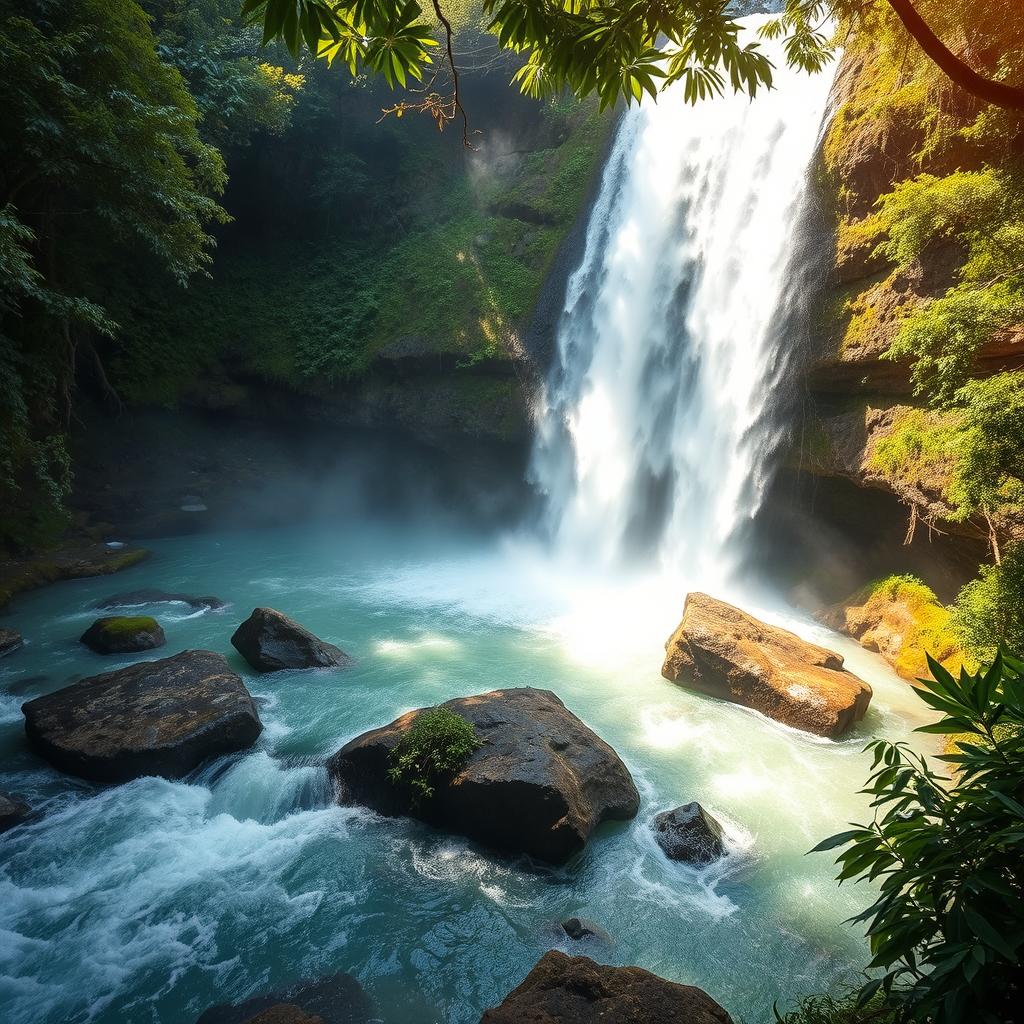
Brazil’s ecotourism offerings are gaining incredible momentum this season with newly structured visitation routes to stunning waterfalls in protected environmental reserves. A recent sector survey highlights 15 breathtaking visitation points spread across Brazil’s diverse biomes, featuring everything from charming cascades to awe-inspiring vertical drops of up to 380 meters. The list encompasses destinations with excellent infrastructure in municipalities like Foz do Iguaçu, in the southern state of Paraná, and Conceição do Mato Dentro, in Minas Gerais.
In the vibrant state of Bahia, the magnificent Chapada Diamantina region offers two iconic routes controlled by local expert guides. The majestic Cachoeira da Fumaça (Smoke Waterfall) rewards a scenic six-kilometer hike with unforgettable views from the top of its 380-meter drop. Meanwhile, in the municipality of Ibicoara, the thrilling Cachoeira do Buracão invites adventurers to don life jackets and float through a spectacular canyon to reach the base of its 100-meter falls.
The mesmerizing power of colossal water volumes also drives a surge of nature lovers to Brazil’s Southern region. The Turvo State Park, located in the town of Derrubadas, Rio Grande do Sul, is home to the spectacular Salto do Yucumã. This unique natural wonder features an impressive 1,800-meter longitudinal geological fault along the Uruguay River bed. The best visibility of these falls peaks during the dry season, which historically occurs between March and October.
Guidelines for Access and Visitation in Brazil’s Eco-Reserves
Experiencing these pristine parks requires advance planning and adherence to safety and conservation norms. In the central state of Goiás, visiting the crystal-clear waters of Cachoeira de Santa Bárbara—nestled within the traditional Kalunga quilombola territory in Cavalcante—requires a preservation fee and the mandatory hiring of a local guide. This daily visitor cap is a vital sustainability measure designed to minimize environmental impact on the soil and local springs.
Reserve administrations establish strict technical and structural guidelines to ensure trail maintenance and safety. These ecotourism routes offer varying levels of physical challenge and feature specific use restrictions set by environmental agencies to protect the local biodiversity.
- Cachoeira do Tabuleiro, in Minas Gerais, boasts a staggering 273-meter drop with carefully monitored access for swimming in its main natural pool.
- The Chapada dos Guimarães National Park, in Mato Grosso, strictly prohibits swimming at the Véu de Noiva (Bridal Veil) waterfall, protecting the environment by limiting visits to a panoramic viewpoint facing the stunning 86-meter drop.
- In Rio Grande do Sul, the famous Cachoeira do Caracol maintains an incredible 927-step staircase, allowing energetic visitors to descend right to the base of its 131-meter cascade in the charming town of Canela.