 \n\n
\n\n
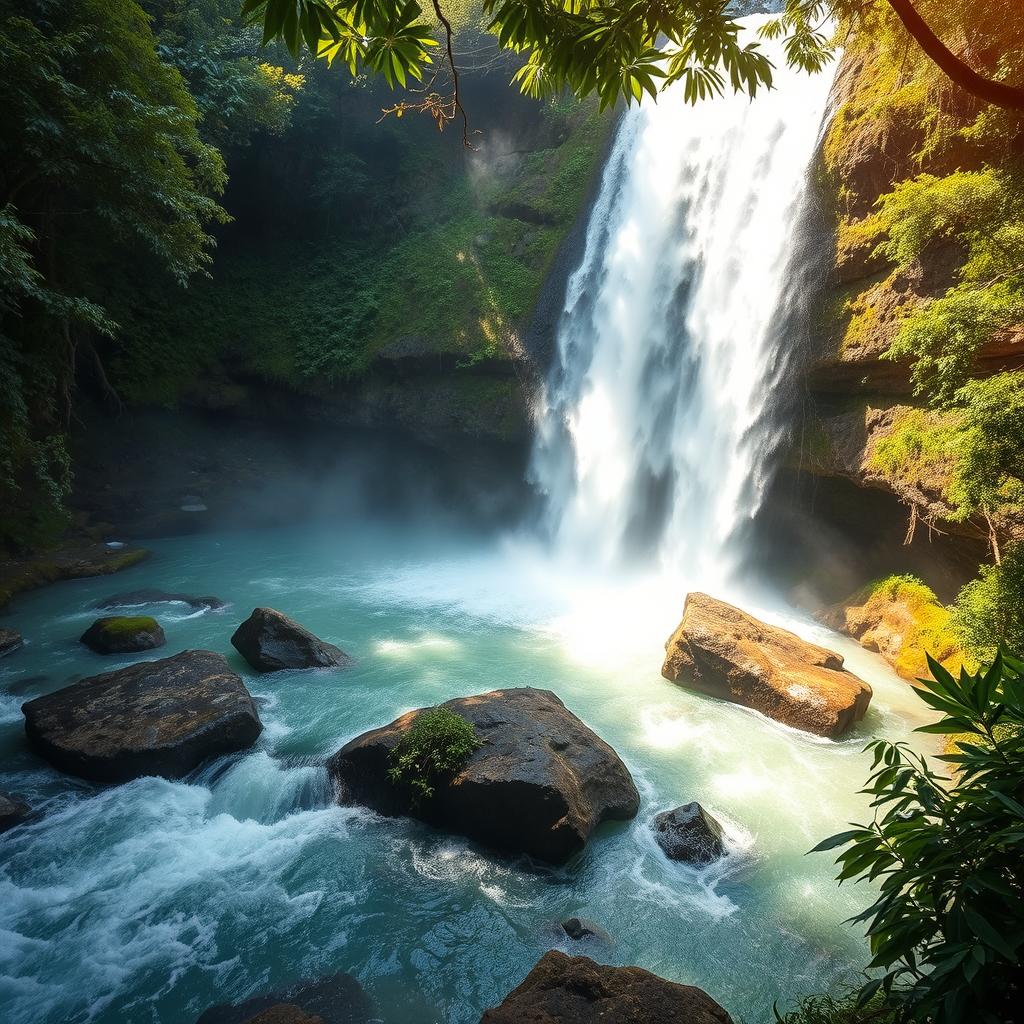
A newly consolidated ecotourism map of Brazil highlights 15 stunning waterfalls spread across the country’s diverse biomes. This exciting initiative focuses on destinations nestled within protected conservation areas, such as the Chapada Diamantina National Park in the state of Bahia. Here, adventurous visitors can embark on a scenic six-kilometer trail to reach the awe-inspiring Fumaça Waterfall (Cachoeira da Fumaça), boasting an incredible 380-meter free fall.
World-Class Infrastructure in the South and Southeast
In the southern region, the renowned Iguaçu National Park in Paraná features a massive complex of 275 waterfalls spanning nearly three kilometers along the riverbank. This globally celebrated reserve offers secure observation platforms for the iconic Devil’s Throat (Garganta do Diabo) and thrilling boat rides right at the base of the falls. Further south, in Rio Grande do Sul, the Turvo State Park manages access to the Yucumã Falls (Salto do Yucumã). This unique geological fault showcases water flowing horizontally for 1,800 meters along the bed of the Uruguay River, offering a truly unforgettable sight.
The state of Minas Gerais is home to the country’s third-highest drop, the majestic Tabuleiro Waterfall (Cachoeira do Tabuleiro), which plunges 273 meters in the municipality of Conceição do Mato Dentro. In the Midwest, tourism beautifully integrates with community-managed areas, such as the traditional Kalunga Quilombola territory in Cavalcante, Goiás. Access to the crystal-clear waters of the Santa Bárbara Waterfall is granted through a maintenance fee paid directly to the local residents and the hiring of certified community guides, ensuring that tourism directly supports and empowers traditional populations.
Safety Protocols and Environmental Preservation
To guarantee a safe and enjoyable experience, technical regulations for mountain and forest trails require visitors to wear appropriate footwear with excellent grip and to carry sufficient hydration supplies. When approaching deep natural pools, such as the magnificent Buracão Waterfall in the Bahian municipality of Ibicoara, the use of life jackets provided by local agencies is mandatory. Furthermore, national and state park authorities strictly enforce a zero-waste policy. Visitors must pack out all solid waste, a vital practice that preserves the pristine beauty and water cycles of these unparalleled Brazilian ecosystems.