 \n\n
\n\n
Brazilian gastronomic tourism is structuring exciting new regional itineraries for visitors this year. This vibrant circuit connects charming rural properties to bustling metropolises like São Paulo, which boasts over 15,000 operating dining establishments. The seamless pairing of innovative mixology and world-class kitchens is emerging as the new market standard, as highlighted by recent Michelin Guide awards.
Agricultural Production and Authentic Regional Markets
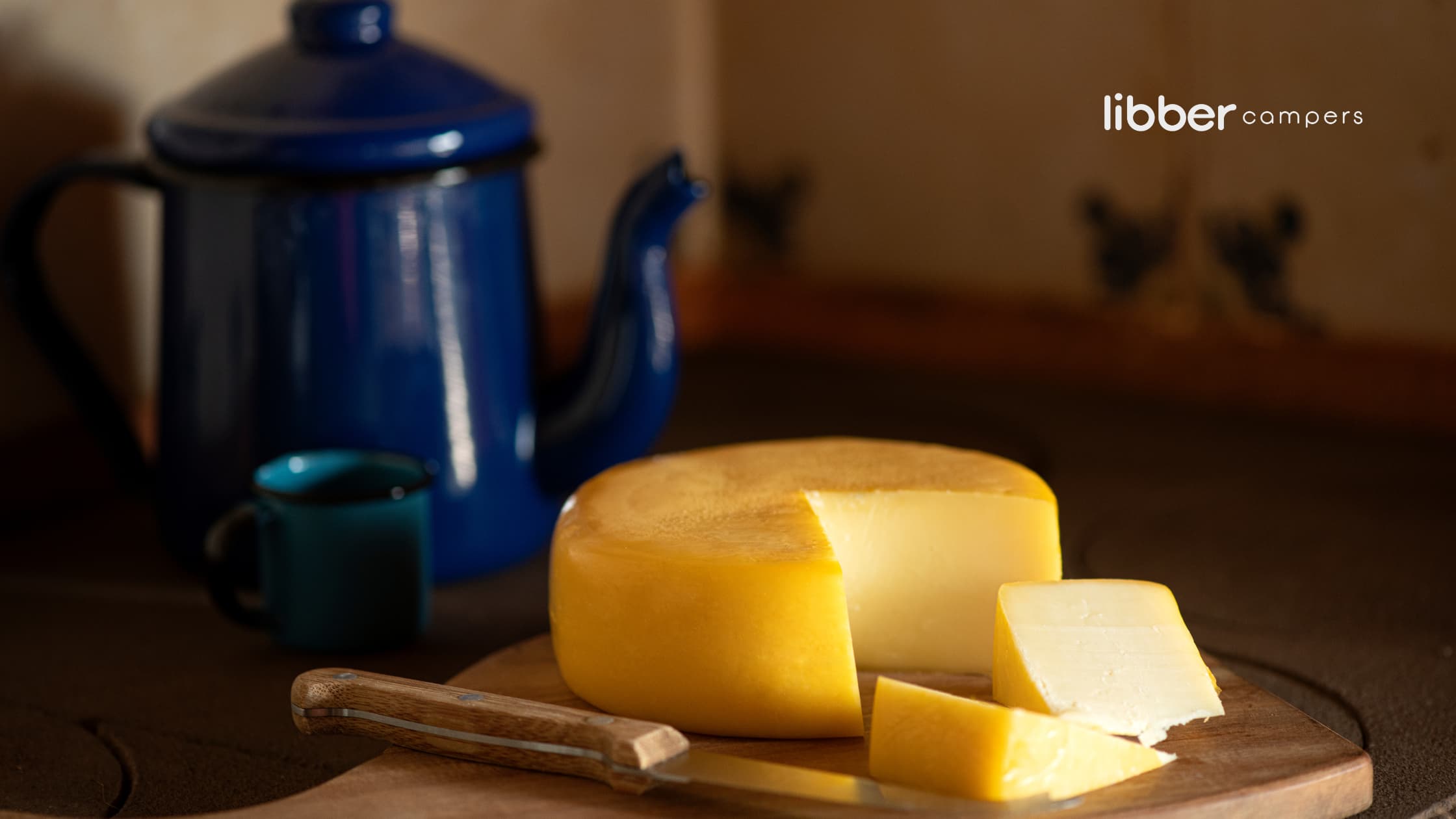
The stunning Serra da Canastra in Minas Gerais anchors the artisanal dairy route alongside the municipality of Alagoa. This picturesque country town is home to fewer than 3,000 residents and maintains its traditional raw milk cheese production at an impressive altitude of over 1,500 meters (4,900 feet). In the state of São Paulo, the municipality of Serra Negra serves as the central hub for immersive ecotourism experiences focused on coffee harvesting and roasting.
Wine tourism in the southern region beautifully orchestrates the flow of visitors between the state capital of Rio Grande do Sul and the city of Garibaldi. The agricultural harvest calendar guides these tourist hubs, which focus on premium beverages and artisanal foods:
- The Vale dos Vinhedos (Valley of the Vineyards) reaches its peak visitation during the vindima, the vibrant grape harvest season scheduled between January and March.
- The celebrated chocolate makers of Gramado and Canela offer guided tours that provide a fascinating, hands-on look at local cocoa processing and confectionery.
- The historic São Joaquim Market in Salvador functions as a lively distribution center for authentic dendê (palm) oil, supplying the city’s famous street food vendors.
The iconic Ver-o-Peso market complex in the Amazonian city of Belém gathers purveyors of savory tucupi broth and tingling jambu leaves in a continuous, bustling open-air fair. The market stalls of Pará act as direct sales centers for natural, freshly processed açaí, traditionally served alongside generous portions of fried local fish. The organization of these culinary itineraries through Brazil’s regional capitals follows metrics from travel networks like Clube Candeias, ensuring structured journeys with quality accommodations right next to these epicenters of Brazilian gastronomy.