 \n\n
\n\n
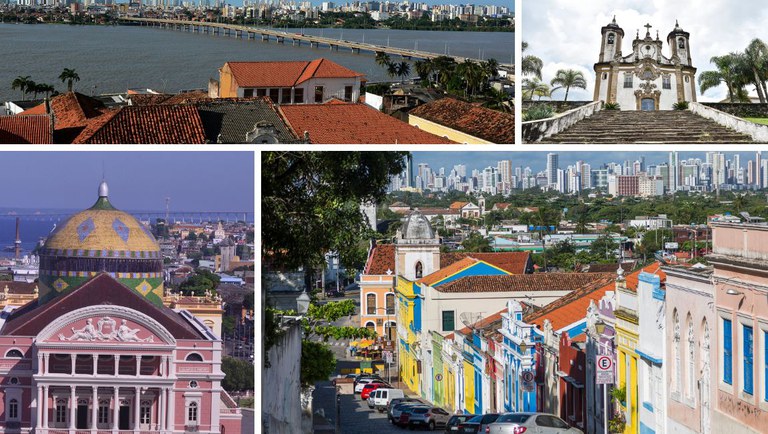
Brazil’s Ministry of Tourism has highlighted 11 colonial-era cities this month to showcase the country’s rich cultural heritage. This curated list guides the development of public policies and forms a key part of the Brazilian Tourism Map. The federal government’s goal is to boost regional economies, support jobs within the tourism sector, and offer international visitors an authentic, historic experience.
According to the Tourism News Agency, these municipalities are home to protected architectural heritage and structures of immense historical value. To make these destinations more accessible, the federal government is also executing the Meet Brazil Flying (Conheça o Brasil Voando) program, which establishes direct air connections to these locations. This initiative aims to expand commercial flight routes, making it easier for travelers from around the world to explore different states.
Where Culture Meets Architecture
In the state of Minas Gerais, the city of Ouro Preto proudly holds the title of a UNESCO World Heritage Site. Its cobblestone streets preserve the civil and religious structures built during the Brazilian Gold Rush. In another region of the state, São João del-Rei operates a charming heritage railway that transports tourists directly to the picturesque town of Tiradentes.
The coastal city of Paraty, located in the state of Rio de Janeiro, features impeccably preserved colonial buildings dating back to the 17th century. The destination’s vibrant annual calendar includes the renowned International Literary Festival and cultural celebrations honoring the traditional Caiçara communities. In the state of São Paulo, the charming town of São Luiz do Paraitinga boasts a historic urban center protected by national heritage guidelines.
The historic center of São Luís, in the northeastern state of Maranhão, showcases entire city blocks adorned with original Portuguese tiles. In the midwestern state of Goiás, the ancient perimeter of Vila Boa hosts the traditional religious celebrations of the Procession of the Fogaréu. Meanwhile, in the Northern region, sightseeing routes in the Amazonian capital of Manaus highlight the magnificent architecture of the rubber boom era, crowned by the majestic Amazon Theatre.