 \n\n
\n\n
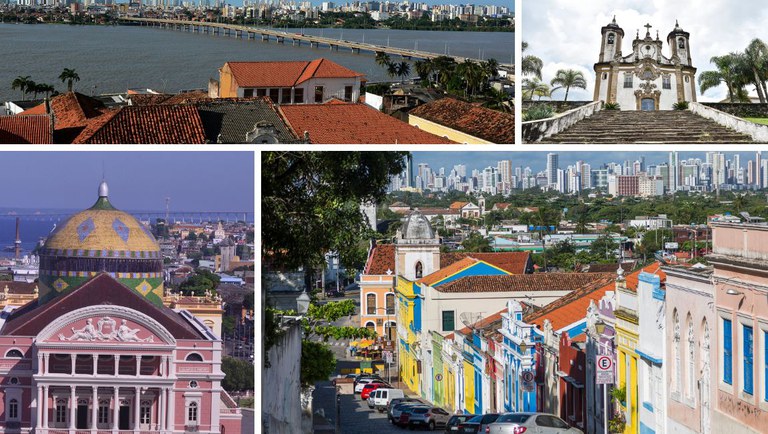
This week, Brazil’s Ministry of Tourism published a comprehensive survey highlighting 11 historical Brazilian cities as prime hubs for cultural itineraries. The list brings together municipalities from across different regions that beautifully preserve architectural heritage and traditional folklore. This document serves as a technical foundation to guide public investments through the Brazilian Tourism Map, ensuring these cultural treasures are ready to welcome the world.
Heritage Destinations and Preserved Collections
Among the spectacular locations highlighted by the government agency is Ouro Preto, nestled in the state of Minas Gerais. The city has proudly held the title of a UNESCO World Heritage site since 1980. Its main visitor circuit features the breathtaking Church of São Francisco de Assis, recognized as the building with the second-largest volume of gold in the country.
In the Northeast region, the technical report details the vibrant tourism scene in Olinda, Pernambuco. The municipality boasts spectacular 16th- and 17th-century masonry and has been a protected historical site since 1982. In Bahia, the capital city of Salvador joins the federal guide, showcasing the iconic colonial mansions of the Pelourinho district and the invaluable permanent collection of the National Museum of Afro-Brazilian Culture.
Centuries-Old Structures and Expanded Air Travel
The tourism cataloged by the ministry also includes vital cultural hubs in the country’s North region. The survey highlights Manaus, in the state of Amazonas, home to the magnificent Amazon Theatre, built in 1896. In Belém, Pará, visitor traffic converges at the Ver-o-Peso Market, an iconic municipal market complex celebrating an impressive 398 years of continuous operation.
The integration of tourism businesses in these listed municipalities receives vital logistical support from the ‘Discover Brazil Flying’ (Conheça o Brasil Voando) program. This government initiative coordinates the operation of new commercial air routes to transport travelers to breathtaking destinations beyond the major metropolitan areas. According to promotional materials released by the ministry, the expansion of the flight network aims to sustain jobs within the local hospitality and culinary sectors, making it easier than ever for international visitors to explore the true heart of Brazil.