 \n\n
\n\n
This week, Brazil’s Ministry of Tourism released a survey highlighting 11 Brazilian municipalities that drive the creative economy through their rich cultural heritage. The list is part of the Brazilian Tourism Map, a government tool used to guide public policies and financial investments in the sector. The document features destinations spread across diverse geographic regions, from the stunning northeastern coastline to the lush interior of the Minas Gerais mountains.
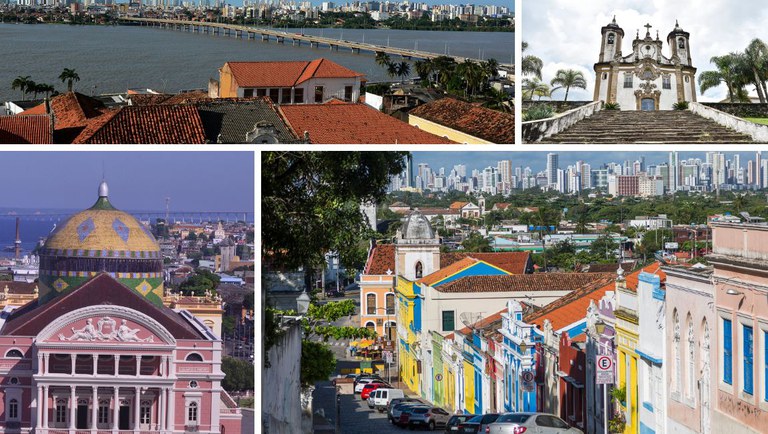
According to the federal agency, preserving colonial architecture and maintaining vibrant folklore traditions serve as powerful engines for local job creation. The selection includes Salvador, which beautifully preserves the original colonial mansions of the Pelourinho district, and Ouro Preto, a breathtaking city in Minas Gerais designated as a UNESCO World Heritage site in 1980. This southeastern destination concentrates the main architectural marvels of the Brazilian Gold Rush and safeguards the original masterpieces of the legendary sculptor Antônio Francisco Lisboa, widely known as Aleijadinho.
Heritage Destinations Featured on the Official Route
The cities selected by the government house invaluable collections protected by historical heritage institutes and host internationally renowned festivals. The guide details visiting routes that keep cultural venues and attractions open across all seasons of the year. Among the treasured hubs listed in the public survey are:
- Paraty, in the state of Rio de Janeiro, which annually hosts the prestigious International Literary Festival.
- Belém, the capital of Pará, home to the iconic Ver-o-Peso Market built 398 years ago.
- Manaus, in the state of Amazonas, featuring the magnificent Amazon Theatre, an opera house erected during the rubber boom in 1896.
- Recife and Olinda, in Pernambuco, sister municipalities that share the vibrant legacy of centuries-old musical rhythms like the Frevo.
The commercial viability of these routes is supported by the ‘Discover Brazil by Air’ (Conheça o Brasil Voando) program, which focuses on expanding seat availability on domestic flights. This flight integration serves key regions such as Maranhão, where visitors can explore the charming colonial mansions of São Luís and the imperial ruins of Alcântara. The regular flow of travelers injects the vital resources needed to protect civic structures and fund popular cultural performances, promoting a sustainable tourism model that celebrates and preserves Brazilian identity.