 \n\n
\n\n
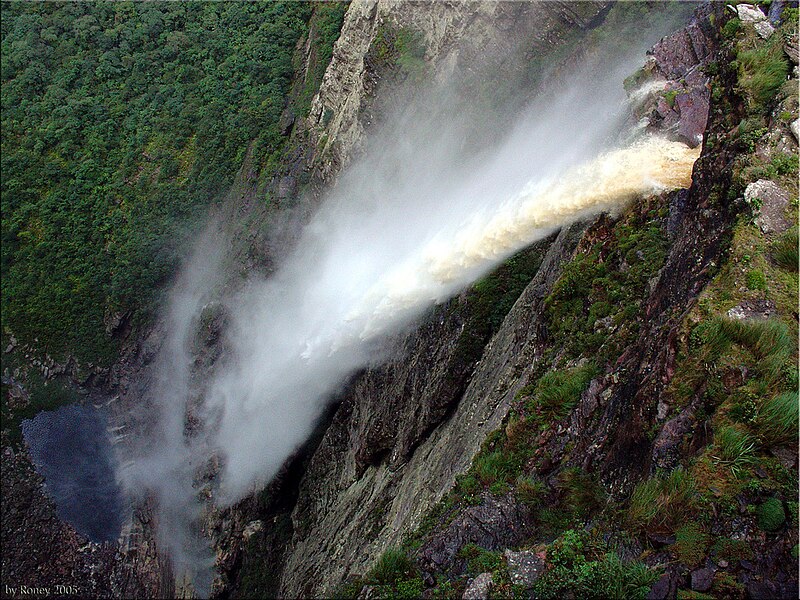
This semester, Brazil’s federal and state parks are rolling out new visitation guidelines to elevate the ecotourism experience around the country’s spectacular waterfalls. To ensure visitor safety and preserve these natural wonders, local administrations now require the hire of accredited guides for accessing attractions with challenging topography. This measure enhances the journey to iconic sites like the Fumaça Waterfall in the breathtaking Chapada Diamantina region, which plunges an impressive 380 meters from a rocky plateau.
In the state of Minas Gerais, the municipality of Conceição do Mato Dentro is carefully monitoring the flow of tourists at the Tabuleiro Waterfall, the third highest in the country. Featuring a magnificent 273-meter drop, this gem is nestled within the boundaries of a municipally protected natural park. Visitors embark on a scenic rocky trail to reach the main pool, an adventure that now requires safety equipment and registration at the entrance, ensuring a secure and unforgettable ecotourism experience.
Ecotourism management is also flourishing at the community level in the territorial reserves of Goiás. In the Kalunga community, located in the municipality of Cavalcante, local residents have established daily entry limits for the pristine Santa Bárbara Waterfall to prevent soil erosion and protect the environment. Access is granted through a fixed conservation fee and requires the presence of local community guides, offering visitors a unique cultural exchange while supporting sustainable tourism.
Operational Guidelines and Ecotourism Infrastructure
- The government of Tocantins recommends accessing the stunning Formiga Waterfall, located in the wild Jalapão region, exclusively with four-wheel-drive vehicles, adding a touch of off-road adventure to the trip.
- The Caracol State Park in Rio Grande do Sul smoothly manages visitor flow through a well-structured staircase featuring 927 steps, rewarding hikers with spectacular panoramic views.
- The Yucumã Falls, in the southern municipality of Derrubadas, unveils a breathtaking 1,800-meter-long longitudinal water fissure along the Uruguay River bed during the dry season.
Public facilities across Brazil’s parks vary according to their distance from major highways and the specific management plans of each conservation unit. High-capacity, world-renowned destinations like the Iguaçu National Park offer accessible, paved walkways stretching for nearly three kilometers along the riverbank, accommodating visitors of all ages. Conversely, isolated coastal paradises like the Saco Bravo Waterfall in Paraty reward intrepid travelers with a rugged hike through the lush Atlantic coastal forest starting from Engenho Beach, showcasing the incredible diversity of Brazil’s natural landscapes.