 \n\n
\n\n
Today, gastronomic tourism in Brazil is creating incredible routes that bridge the gap between high-end culinary hubs and passionate local producers. According to a survey by Clube Candeias, the vibrant city of São Paulo boasts over 15,000 restaurants, offering a spectacular mosaic of global and regional influences. Meanwhile, charming countryside towns are developing immersive ecotourism itineraries focused on rich local ingredients, such as artisanal cheeses, fine wines, and premium coffees.
Rural Trails: Artisanal Cheese and Fine Wine
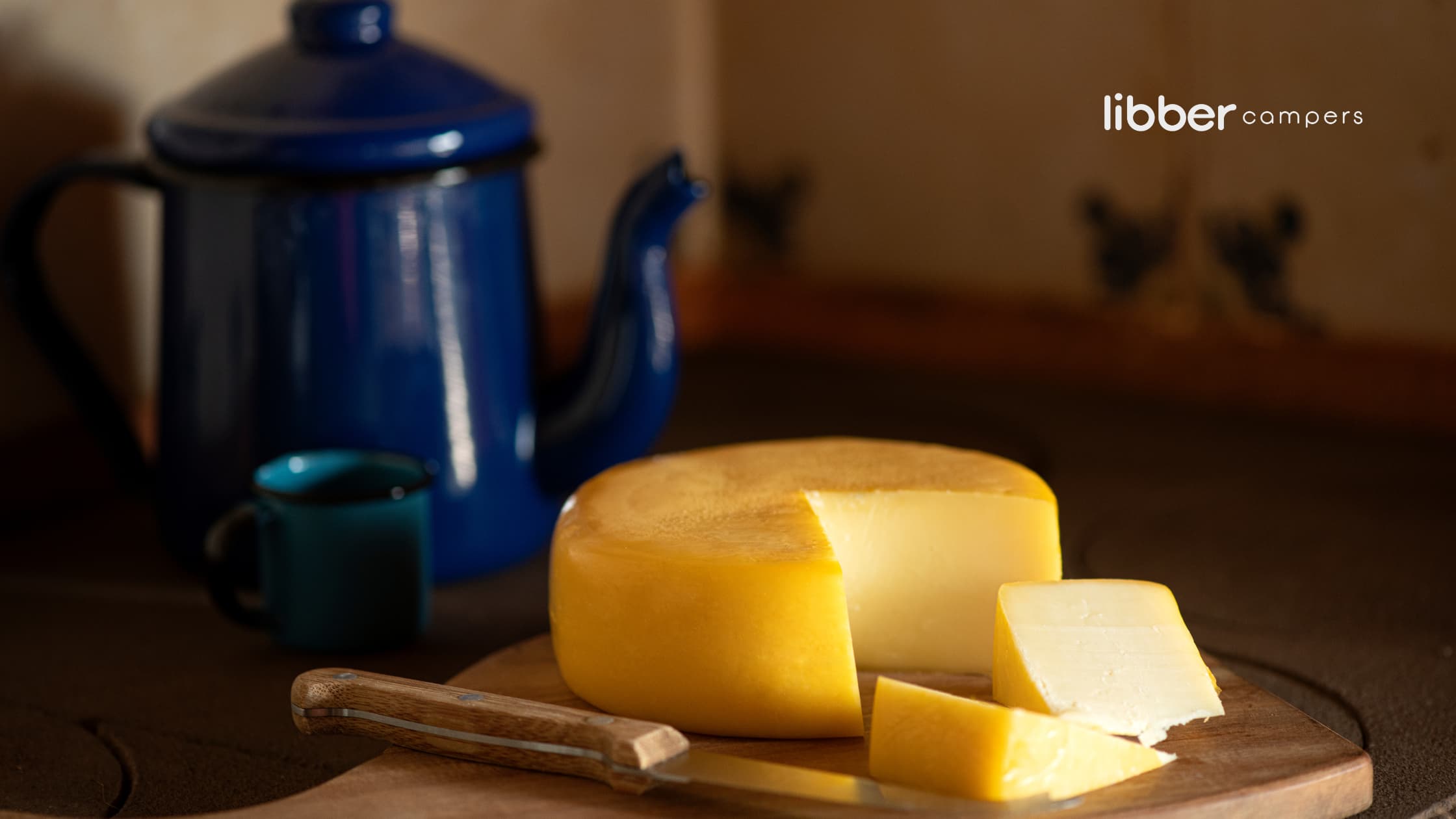
In the picturesque state of Minas Gerais, the Serra da Canastra trail encompasses welcoming towns with fewer than 3,000 inhabitants, such as Alagoa. Here, the traditional production of raw milk cheese takes place at breathtaking altitudes of over 1,500 meters, while the town of Cruzília stands out for an innovative blend of gorgonzola and classic Canastra cheese. Down in the southern state of Rio Grande do Sul, a captivating wine route stretches from Porto Alegre to the lush Vale dos Vinhedos (Valley of the Vineyards). In this region, renowned estates like Casa Perini and Chandon invite visitors to experience the vibrant grape harvest between January and March.
Also in southern Brazil, the enchanting resort towns of Gramado and Canela offer delightful tours of artisan chocolate factories, including the famous Caracol and Florybal facilities. Back in the state of São Paulo, the lush Circuito das Águas Paulista (Paulista Water Circuit) centers its rich coffee route in the charming town of Serra Negra. Visitors can stroll through historic, productive farms to witness every step of the coffee-making process, from the careful harvesting of the cherries to the aromatic roasting of the beans.
Cultural Capitals and Regional Food Festivals
In the northern Amazon region, the iconic Ver-o-Peso market in Belém is a vibrant hub for unique local ingredients like tucupi, tingling jambu leaves, and fresh açaí traditionally enjoyed with fried fish. In the coastal city of Salvador, the bustling trade of iconic Afro-Brazilian dishes like acarajé and fragrant moqueca stews breathes life into vibrant commercial centers such as the São Joaquim Market. Meanwhile, in the historical heartland of Minas Gerais, the colonial town of Tiradentes hosts the renowned Culture and Gastronomy Festival every September, delighting visitors with mouthwatering regional staples like feijão tropeiro (traditional beans with cassava flour and bacon) and succulent pork ribs.
A rich German heritage shapes the culinary landscape of Joinville, Santa Catarina, where visitors can savor traditional dishes like pork knuckle perfectly paired with craft beers from thriving local microbreweries. On the national haute cuisine stage, the prestigious Michelin Guide recently introduced the Exceptional Cocktails Award to Brazil. This new category celebrates the brilliant integration between innovative cocktail bars and the sophisticated kitchens of top-tier Brazilian restaurants, proving that the country’s dining scene is a truly world-class destination.