 \n\n
\n\n
This season, gastronomic tourism in Brazil is unveiling new routes that directly connect the country’s rich agricultural heritage with visitors from across the globe. The journey spans from charming rural towns with fewer than three thousand inhabitants in Minas Gerais to vibrant sparkling wine hubs in Rio Grande do Sul. These meticulously crafted itineraries invite travelers to witness traditional production processes firsthand, such as the delicate art of cheese curing and the festive grape harvest.
High-Altitude Dairies and Artisanal Cheese Innovations
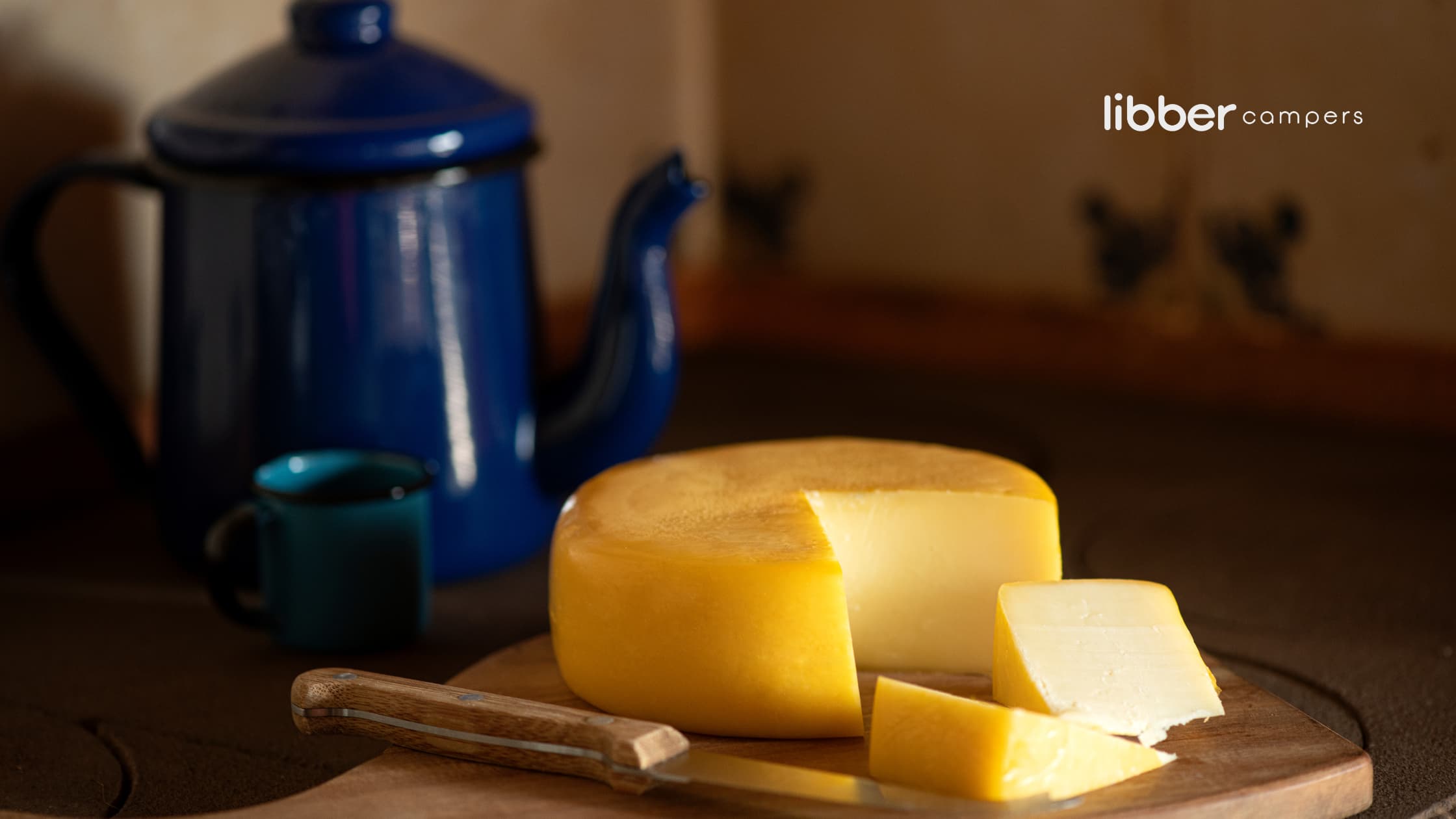
Nestled in the breathtaking Serra da Canastra region, the state of Minas Gerais is the heartland of Brazil’s artisanal cheese route. The municipality of Alagoa crafts exceptional raw milk cheeses on lush properties situated over 1,500 meters (4,900 feet) above sea level. Meanwhile, in nearby Cruzília, local artisans have developed the renowned Casamenteiro cheese, a brilliant culinary fusion that weds the traditional Canastra base with gorgonzola-style blue mold.
Beyond the dairies, these quaint towns beautifully weave geographic wonders and rich history into the visitor experience. Alagoa’s tourism circuit features the stunning Zé Pena Waterfall—a perfect draw for ecotourism enthusiasts. Cruzília, in turn, is home to the National Museum of the Mangalarga Marchador, offering a unique glimpse into Brazil’s esteemed equestrian culture.
Grape Harvests and Chocolate Makers in the Serra Gaúcha
In the southern state of Rio Grande do Sul, an enchanting wine route stretches from the capital city of Porto Alegre to the picturesque Vale dos Vinhedos (Valley of the Vineyards). The period between January and March marks the Vindima (grape harvest), a magical time when tourists are invited to join the harvest and experience traditional grape stomping on local estates. This circuit also highlights the charming town of Garibaldi, celebrated globally as the capital of Brazilian sparkling wine.
Also nestled in the Serra Gaúcha (Southern Highlands), the alpine-style towns of Gramado and Canela host a spectacular chocolate production circuit. Family-friendly factories like Florybal have built chocolate-themed skating rinks to captivate visitors of all ages. Renowned brands such as Caracol and Prawer offer immersive factory tours, showcasing the fascinating journey of cocoa—from the tempering line straight to the boutique shelves.
Native Flavors of the Amazon and the Vibrant Northeast
Venturing beyond the rural landscapes of the South and Southeast, the capital cities of Brazil’s North and Northeast anchor their culinary tourism in exotic, native ingredients. In Belém, Pará, traditional dishes demand elaborate and ancient preparation methods, such as the continuous, slow-boiling of bitter cassava leaves. The Amazonian culinary experience is a true celebration of unique regional elements:
- Tucupi: A vibrant, savory yellow broth extracted from bitter cassava root.
- Jambu: A leafy Amazonian herb famous for leaving a unique, tingling and numbing sensation on the palate.
- Pirarucu: A massive freshwater river fish, typically served alongside toasted cassava flour and sweet plantains.
In the culturally rich Northeast, the tourist circuit of Salvador, Bahia, revolves around the deep, aromatic flavors of dendê (palm) oil. This vital ingredient is the soul of Afro-Brazilian delicacies celebrated on local culinary tours, including the iconic acarajé (black-eyed pea fritters) and the savory moqueca baiana (seafood stew). Further north in Recife, Pernambuco, the spotlight shifts to irresistible traditional pastries, starring the famous bolo de rolo—an exquisite dessert made of paper-thin layers of sponge cake tightly rolled with melted guava paste.