 \n\n
\n\n
Brazilian gastronomic tourism is consolidating its regional routes in 2025, mapping out seven capital cities and key production hubs across the countryside. This movement runs parallel to the launch of the Michelin Guide’s Exceptional Cocktails Award, which establishes a new evaluation standard celebrating Brazil’s vibrant mixology scene. The active itineraries take travelers on a sensory journey, from the processing of native ingredients in the Amazon basin to the lush cultivation areas nestled in the highlands of Southern Brazil.
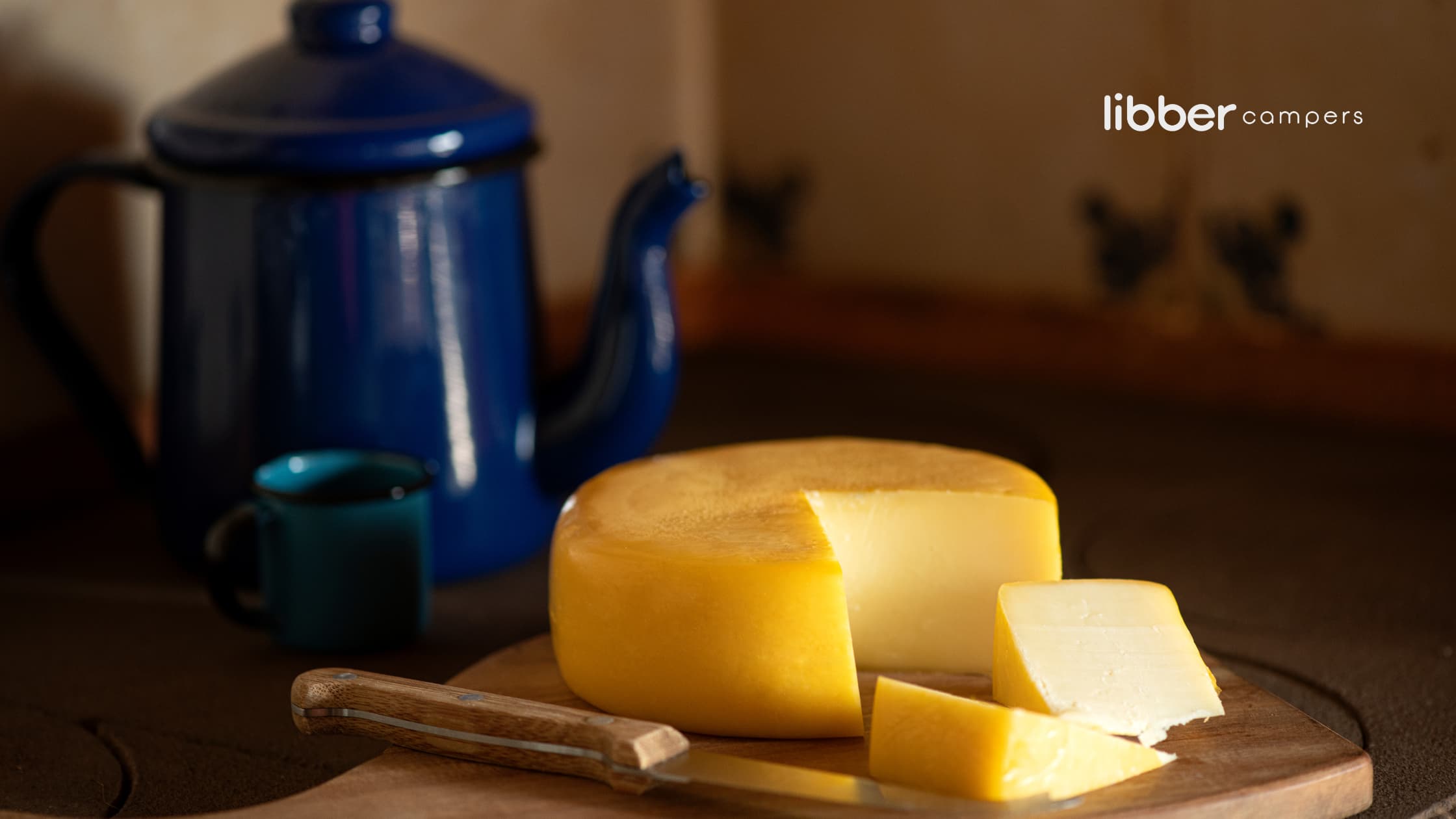
In the Southeast region, tourism thrives along traditional cheese-making and coffee-growing routes. The charming town of Alagoa, in Minas Gerais, welcomes visitors for exclusive tastings at an altitude of 1,500 meters (4,900 feet), offering an intimate ecotourism experience in a municipality of fewer than three thousand residents. In the state of São Paulo, the city of Serra Negra serves as the hub for the rural itineraries of the Paulista Water Circuit (Circuito das Águas Paulista). Here, heritage farms show travelers the meticulous stages of harvesting and roasting coffee beans.
In Brazil’s southernmost state of Rio Grande do Sul, the flow of travelers centers around premium wine tourism and artisanal chocolate routes. The wine trail connects the capital city of Porto Alegre to the stunning Valley of the Vineyards (Vale dos Vinhedos), featuring visits to renowned producers like Chandon and Casa Perini during the grape harvest, or vindima, which takes place between January and March. In the picturesque mountain towns of Gramado and Canela, beloved brands such as Florybal and Prawer offer guided tours, revealing the fascinating craftsmanship behind their famous chocolates.
The cataloging of these culinary destinations also proudly features the rich cuisines of the North and Northeast, according to a recent survey published by the Meteored portal. In Belém and Manaus, food tours immerse visitors in authentic Amazonian ingredients, showcasing exotic dishes made with tucupi, the mouth-numbing jambu herb, and the massive pirarucu river fish. In the northeastern capitals of Salvador and Recife, culinary routes guide tourists through a fusion of coastal and hinterland flavors. Visitors are treated to deeply traditional recipes, such as the fragrant Bahian seafood stew known as moqueca and Pernambuco’s iconic rolled guava cake, the bolo de rolo.