 \n\n
\n\n
In the first half of 2025, emerging travel trends highlight the rise of regional culinary routes in Brazil. This immersive format connects visitors directly to farming and food-processing areas across the country. Destinations in the South and Southeast are taking the lead, offering unforgettable agritourism experiences centered around coffee, artisanal cheese, and fine wine.
Cheese and Coffee Trails in the Southeast
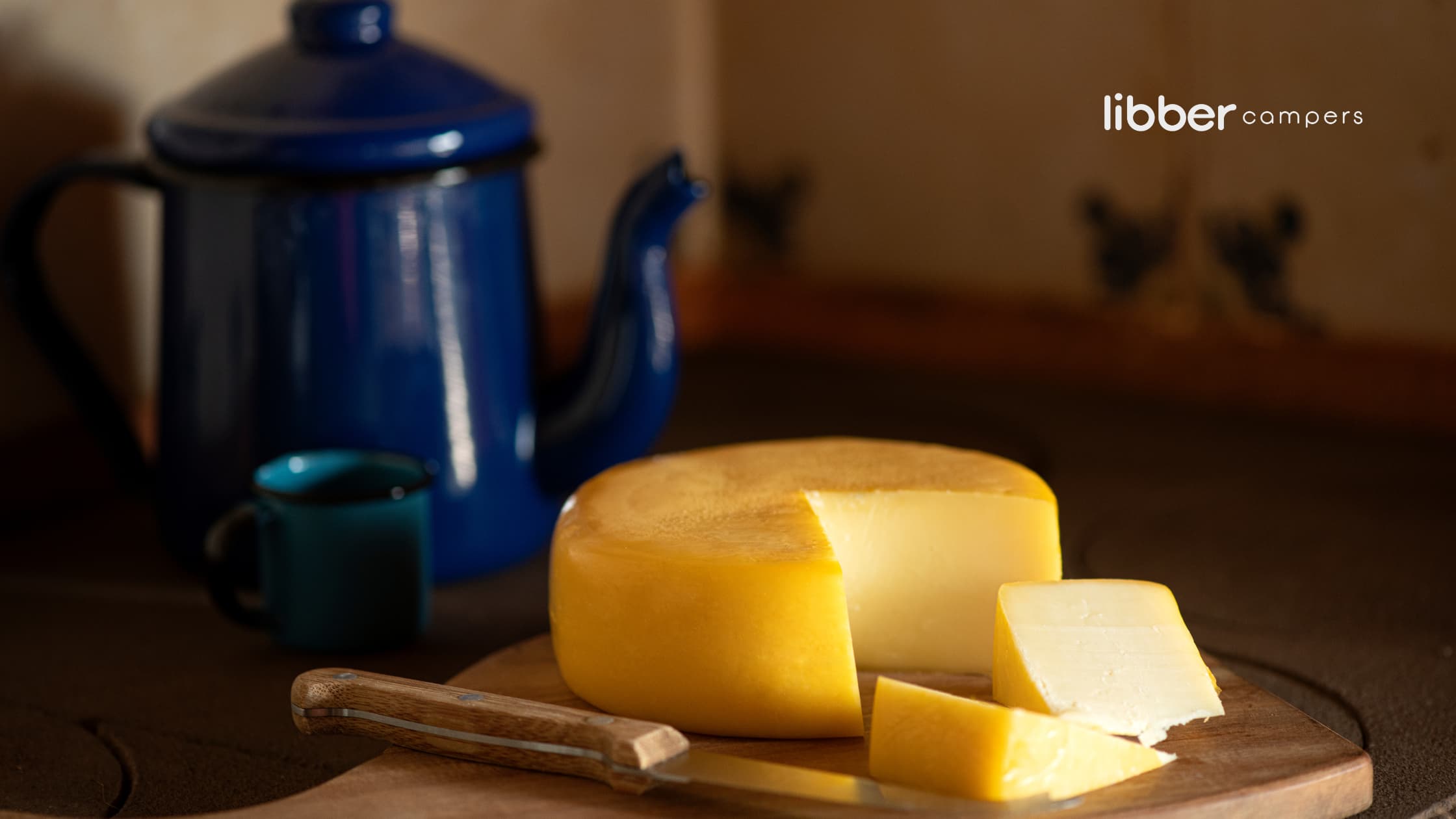
In Minas Gerais, the Serra da Canastra route showcases the production of its traditional cheese, officially recognized as a Brazilian intangible cultural heritage. In the picturesque town of Alagoa—home to fewer than 3,000 residents—local artisans craft raw milk delicacies at an altitude of 1,500 meters (4,900 feet). The municipality of Cruzília is also part of this delectable circuit, offering the famous Casamenteiro cheese and hosting the National Museum of the Mangalarga Marchador horse.
The state of São Paulo invites travelers to the Serra Negra region for its captivating Coffee Route. Located within the Paulista Water Circuit (Circuito das Águas Paulista), this tour allows visitors to trace the entire coffee production chain. Guests can explore historic farms and witness every step of the process, from the careful agricultural harvest to the rich roasting of the beans.
Vineyards and Cocoa in the South
In Rio Grande do Sul, the breathtaking Valley of the Vineyards (Vale dos Vinhedos) welcomes travelers during the Vindima (grape harvest festival), which takes place between January and March. The scenic route from Porto Alegre to the southern highlands features renowned wineries, such as Casa Perini. Meanwhile, the charming city of Garibaldi stands out in the tourist network as Brazil’s sparkling wine capital.
The robust tourism infrastructure of the Serra Gaúcha also boasts a delightful Chocolate Route in the mountain resort towns of Gramado and Canela. Regional chocolatiers, such as Florybal and Caracol, offer guided tours through their cocoa-processing facilities. This family-friendly itinerary includes tasting shops and even ice-skating rinks designed for kids.
Native Ingredients and Global Recognition
Moving to the North and Northeast, vibrant capital cities focus on introducing tourists to the rich, exotic flavors of native Brazilian ingredients. The local gastronomic scene champions traditional recipes that require long, slow-cooking processes and ancestral preparation methods. Standout regional delicacies include:
- Belém: Maniçoba, a hearty Amazonian dish made with wild cassava leaves meticulously boiled for several days.
- Manaus: The X-Caboquinho, an iconic local sandwich packed with the native tucumã palm fruit.
- Salvador: Moqueca Baiana, a fragrant seafood stew richly prepared with traditional dendê (palm) oil.
Brazil’s thriving bar and restaurant sector is also making waves in international hospitality rankings. Reflecting this growth, the prestigious Michelin Guide has introduced a mixology award to recognize the seamless integration between kitchens and beverage counters. This new category evaluates drink service as an essential part of the world-class dining and hospitality experience offered by Brazilian establishments.