 \n\n
\n\n
Crafting World-Class Tourist Itineraries
During the first half of this year, Brazilian gastronomic tourism has successfully consolidated visitation routes that connect vibrant regional cuisine with excellent travel infrastructure. The segment has seen the formalization of commercial routes, such as the artisanal cheese circuits in Minas Gerais and the scenic wine trails in Rio Grande do Sul. According to a survey published by the Meteored portal, these artisanal production hubs have now become integral parts of the region’s standard tourist packages, drawing visitors eager for authentic experiences.
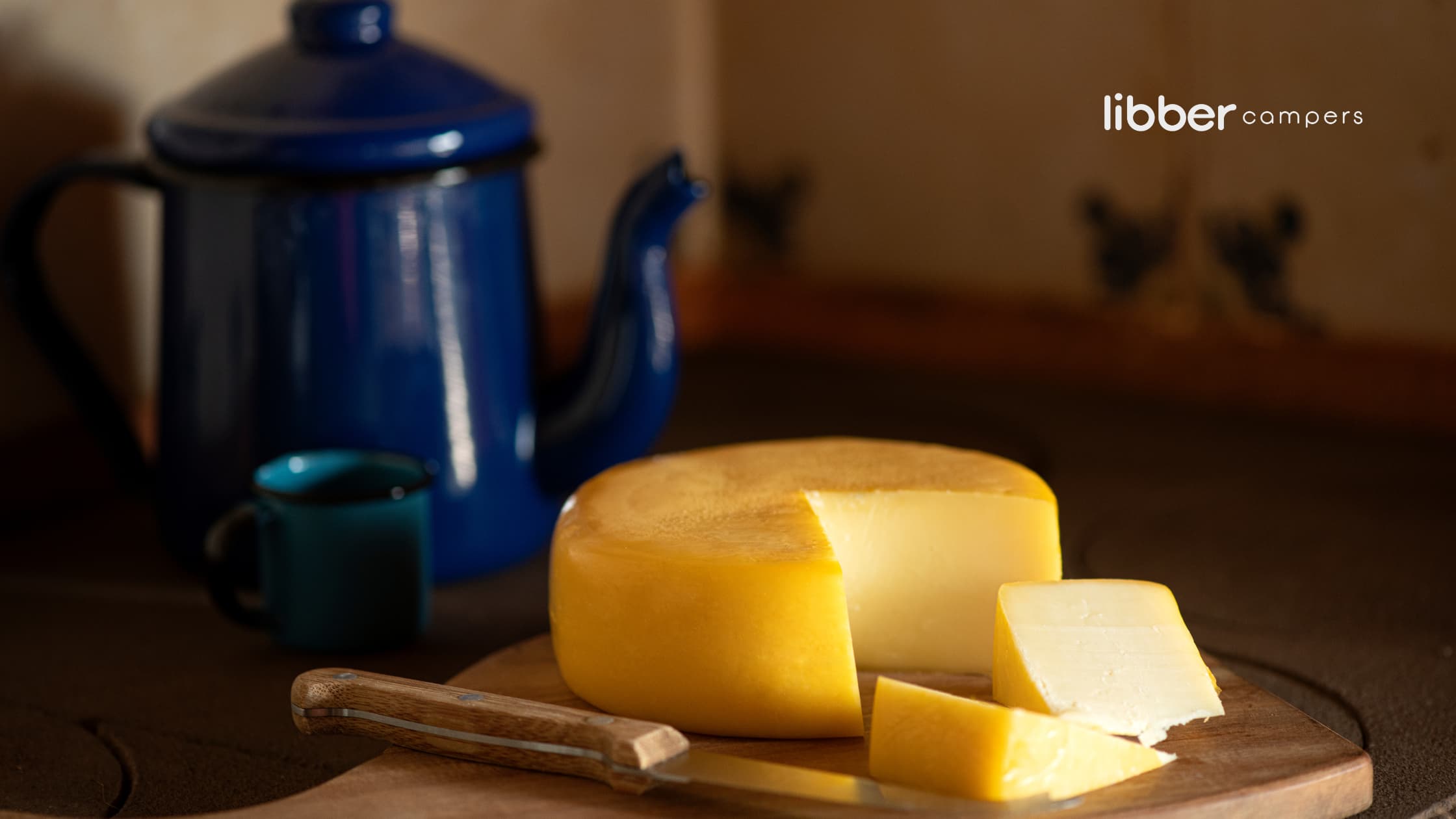
In Minas Gerais, the Serra da Canastra route is a major draw, centering on the production of traditional raw milk cheeses and attracting travelers deep into the state’s picturesque countryside. The charming municipality of Alagoa, home to fewer than 3,000 residents, produces highly sought-after cheeses matured at an impressive altitude of 1,500 meters. The city of Cruzília is also a key stop along the journey, famous for its Casamenteiro cheese, which brilliantly blends the traditional Canastra recipe with a local variation of creamy gorgonzola.
Integrating Fine Wines and Artisanal Sweets in the South
Down in the southern region of the country, the beautiful highway journey between Porto Alegre and the Vale dos Vinhedos (Valley of the Vineyards) organizes tours around stunning agricultural estates. The town of Garibaldi takes center stage for sparkling wine tasting sessions, while the annual grape harvest drives a massive influx of tourists between January and March. The spectacular Serra Gaúcha mountains extend these delightful activities to the alpine-style resort towns of Gramado and Canela, home to the renowned chocolate factories of Florybal, Caracol, and Prawer.
The culinary travel map also beautifully highlights the capital cities of Brazil’s North and Northeast regions, as noted in tourism records by the CasaCor publication. In Belém, Pará, and Manaus, Amazonas, local guides eagerly introduce visitors to indigenous-rooted dishes featuring the savory yellow broth tucupi and delicious sandwiches made with the native tucumã palm fruit. Along the stunning Northeastern coast, historic municipalities like Salvador and Recife seamlessly incorporate regional staples such as dendê (palm) oil and fresh tapioca into tours of their vibrant historical centers.
Gaining International Recognition
Brazil’s hospitality network is increasingly supported by global reviews, helping guide the choices of discerning international travelers. The prestigious French publication, the Michelin Guide, recently introduced the Exceptional Cocktails Award to its Brazilian edition, formalizing the evaluation of fine beverages in the nation’s top restaurants. The inclusion of this highly technical category reflects the elevated standards and sophisticated commercial operations of establishments located along Brazil’s flourishing tourist routes, further cementing the country’s status as a premier global culinary destination.