 \n\n
\n\n
This semester, Brazil’s gastronomic tourism is taking off with the development of new itineraries focused on local food production. This exciting culinary mapping spans from quaint towns with fewer than 3,000 residents to seven vibrant state capitals. The newly established routes beautifully connect the rich history of traditional recipes with sustainable agricultural and manufacturing processes.
Artisanal Dairy Production in Minas Gerais
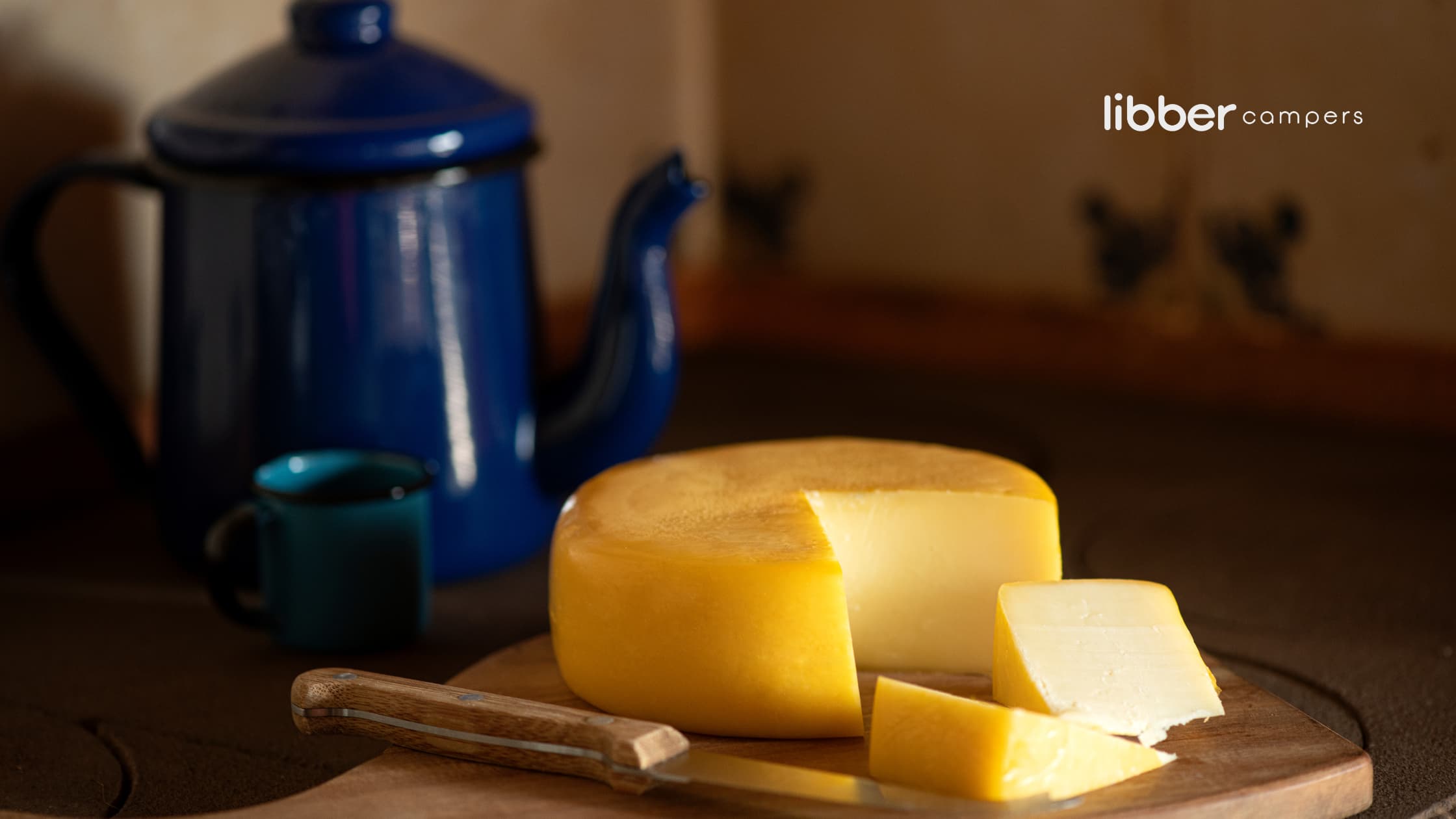
The iconic cheese route in the Serra da Canastra region centers its tours around the traditional crafting of raw milk cheese. In the charming municipality of Alagoa, artisan cheese makers operate on breathtaking properties located at over 1,500 meters (4,900 feet) in altitude. The nearby city of Cruzília also joins this regional circuit, offering fascinating demonstrations of their unique mold-ripened dairy variations.
Agrotourism and Tasting Circuits in Southern Brazil
The wine trail in the state of Rio Grande do Sul spans the scenic highway route between the capital, Porto Alegre, and the lush Vale dos Vinhedos (Valley of the Vineyards). The vibrant grape harvest season draws a steady stream of visitors to the local farms from January to March. In the municipality of Garibaldi, renowned wineries host guided group tours, offering expert insights into their exquisite bottled vintages.
In the picturesque cities of Gramado and Canela, chocolate manufacturing facilities have thoughtfully adapted their physical structures to welcome travelers. The Caracol factory showcases the magical transformation of raw cocoa right on its assembly lines. This sweet itinerary even extends to commercial estates that operate indoor ice-skating rinks under the Florybal brand.
Native Ingredients in Brazil’s Vibrant Capitals
The culinary scene in the capitals of the North region attracts a growing influx of visitors eager to taste authentic Amazonian ingredients. In the top restaurants of Belém and Manaus, tourist menus proudly feature native plants that require slow, meticulous cooking processes. The list of must-try dishes highly recommended by local guides includes:
- Maniçoba: a hearty dish of pork slow-cooked with wild cassava leaves.
- Pato no tucupi: tender roasted duck served in a vibrant yellow broth extracted from the cassava root.
- Tacacá: a deeply flavorful hot broth made with tapioca starch, dried shrimp, and mouth-numbing jambu leaves.
This culinary mapping also highlights specific iconic dishes acting as cultural magnets in the urban centers of the Northeast and South. In Salvador, walking tours through the historic Pelourinho district inevitably include stops to savor acarajé—a mouthwatering black-eyed pea fritter deep-fried in fragrant dendê (palm) oil. Meanwhile, in the southern capital city of Curitiba, traditional restaurants proudly serve barreado, a rich beef stew slow-cooked for hours in clay pots sealed with cassava flour.